기독교의 치유선교
Christian healing mission
다건강은 우리모두의 건강입니다.
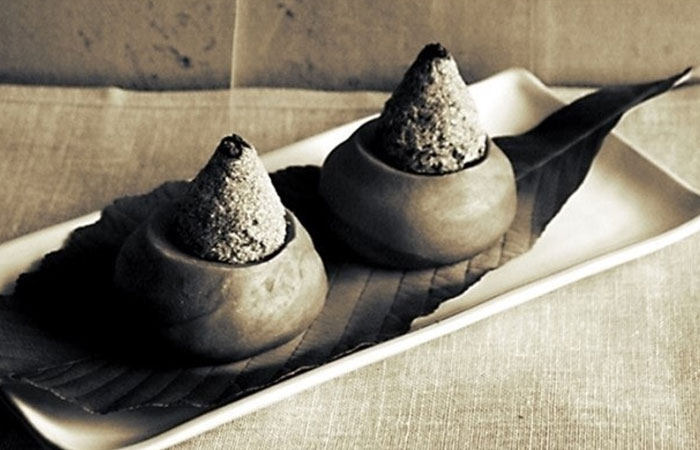
인류의 역사 속에서 종교와 신앙은 다양한 형태로 발전해 왔다. 원시 시대의 샤머니즘과 애니미즘을 비롯하여 여러민족 종교와 세계 종교에 이르기까지, 각 종교는 저마다의 신념과 교리를 바탕으로 사람들의 삶에 영향을 주어 왔다. 이러한 종교들은 신앙의 유지와 확장, 그리고 사람들을 돕기 위한 실천의 일환으로 다양한 봉사와 치유 활동을 전개해 왔다. 시대와 방법은 서로 달랐지만, 고통받는 사람들을 돕고 회복을 추구하는 일은 대부분의 종교에서 공통적으로 나타나는 보편적인 모습이었다. 기독교 역시 예외가 아니다. 기독교는 예수 그리스도의 사랑과 섬김의 정신을 바탕으로 오랜 세월 동안 치유 선교를 실천해 왔으며, 오늘날에도 세계 여러 지역에서 다양한 형태의 치유 사역이 이루어지고 있다. 본 내용은 다른 종교의 신앙이나 교리를 비교하거나 평가하려는 것이 아니다. 오직 기독교의 관점에서 치유 선교에 대하여 살펴보고자 한다.
Throughout human history, religion and faith have developed in various forms. From the shamanism and animism of primitive times to ethnic religions and major world religions, each religion has influenced people's lives based on its own beliefs and doctrines. As part of maintaining and expanding their faith traditions, as well as helping people in need, these religions have carried out various forms of service and healing activities. Although the times and methods have differed, helping those who suffer and seeking restoration have been common characteristics found in most religions. Christianity is no exception. Based on the love and spirit of service demonstrated by Jesus Christ, Christianity has practiced healing mission for centuries, and various forms of healing ministry continue to be carried out throughout the world today. The purpose of this discussion is not to compare or evaluate the beliefs or doctrines of other religions. Rather, it seeks to examine healing mission from a Christian perspective.
치유 선교의 기원은 인간에게 있지 않다. 또한 어떤 종교나 특정 인물에게서 시작된 것도 아니다. 치유 선교의 기원은 하나님께 있으며, 그 뿌리는 상고와 태초부터 계획된 하나님의 복음과 치유에 있다. 성경은 하나님을 "상고부터 우리의 구속자"(사 63:16)라고 말씀하며, 예수 그리스도의 근본은 "상고에, 태초에"(미 5:2) 있다고 말씀한다. 또한 "태초에 말씀이 계시니라"(요 1:1)고 하였으며, 하나님께서는 "창세 전에"(엡 1:4) 이미 인류를 위한 구속의 계획을 세우셨다. 그러므로 복음은 아담의 범죄 이후에 마련된 비상대책이 아니다. 복음이 상고와 태초부터 준비된 것처럼 치유 역시 하나님의 계획 가운데 함께 존재하였다. 따라서 복음과 치유는 함께 시작되었고, 함께 계획되었으며, 함께 주어진 것이다. 예수님께서는 천국 복음을 전파하시며 모든 병과 모든 약한 것을 고치셨다(마 9:35). 이는 복음과 치유가 분리될 수 없음을 보여준다. 성경은 죄가 본질이며 원인이고, 질병과 고통은 그 결과이며 현상임을 보여준다. 중풍병자에게 예수님께서는 먼저 "네 죄 사함을 받았느니라"(마 9:2)고 말씀하셨다. 주님께서는 질병보다 죄의 문제를 먼저 다루셨다. 죄는 본질이고 질병은 결과이기 때문이다. 본질이 해결되면 결과도 함께 해결되어야 한다. 그러므로 죄로부터의 구원과 질병으로부터의 회복은 서로 분리될 수 없다. 예수님은 복음의 창안자이실 뿐 아니라 치유의 창안자이시다. 또한 복음과 치유의 본질이시며 최고의 의사이시다. 따라서 치유 선교의 기원은 인간의 의학이나 경험에 있지 않다. 그것은 상고와 태초부터 계획된 하나님의 복음과 치유가 함께 시작된 것이다.
The origin of healing mission is not found in humanity. Nor did it begin with any religion or particular individual. The origin of healing mission is in God, and its roots are found in God's Gospel and healing, which were planned from Sanggo and from the Beginning. The Bible declares God as “our Redeemer from Sanggo” (Isaiah 63:16). It also states that the origin of Jesus Christ is “from Sanggo, from the Beginning” (Micah 5:2). Furthermore, “In the Beginning was the Word” (John 1:1), and God established His plan of redemption for humanity “before the foundation of the world” (Ephesians 1:4). Therefore, the Gospel was not an emergency measure prepared after Adam's fall. Just as the Gospel was prepared from Sanggo and from the Beginning, healing also existed within God's plan. Thus, the Gospel and healing began together, were planned together, and were given together. Jesus proclaimed the Gospel of the Kingdom and healed every disease and every weakness among the people (Matthew 9:35). This demonstrates that the Gospel and healing cannot be separated. The Bible shows that sin is the essence and the cause, while sickness and suffering are the results and manifestations. When the paralytic was brought to Jesus, He first said, “Son, be of good cheer; thy sins be forgiven thee” (Matthew 9:2). The Lord dealt with the problem of sin before addressing the sickness. This is because sin is the essence, while sickness is the result. When the essence is resolved, the result should also be resolved. Therefore, salvation from sin and restoration from sickness cannot be separated. Jesus is not only the Author of the Gospel but also the Author of healing. He is the very essence of both the Gospel and healing, and He is the Great Physician. Therefore, the origin of healing mission is not found in human medicine or human experience. It is rooted in God's Gospel and healing, which began together from Sanggo and from the Beginning.
복음의 목적은 사람을 하나님께로 인도하여 구원을 얻게 하는 것이다. 그러나 많은 사람들은 질병과 고통 가운데 살아가며, 이러한 필요는 복음을 받아들이는 중요한 계기가 되기도 한다. 예수님께서는 사람들의 필요를 외면하지 않으셨다. 병든 자를 고치시고 고통받는 자를 위로하시며 하나님의 나라를 전하셨다. 주님께서는 사람들의 필요를 통하여 그들의 마음에 접근하셨고 하나님께로 인도하셨다. 치유 선교는 단순히 병을 고치는 것이 목적이 아니다. 치유는 복음을 위한 통로이며, 사람을 하나님께 인도하기 위한 선교의 방법이다. 치유를 통해 사람들은 하나님의 사랑을 경험하고 복음에 마음을 열게 된다. "인자의 온 것은 잃어버린 자를 찾아 구원하려 함이니라." (눅 19:10, 개역) 그러므로 치유 선교의 궁극적인 목적도 사람을 하나님께로 인도하여 구원에 이르게 하는 데 있다. 치유는 목적이 아니라 복음으로 인도하는 통로이며, 구원으로 이끄는 하나님의 사랑의 표현이다. 복음 없는 치유는 근본적인 해결이 될 수 없으며, 사람들의 필요를 외면한 복음 전파 역시 복음의 사랑을 충분히 나타내기 어렵다.그러므로 치유와 복음은 함께 가야 한다. 특히 치유는 육체와 영혼을 함께 포함한다. 인간이 육과 영이 하나인 것처럼 복음과 치유도 하나이다. 그러므로 복음에서 치유를 분리하면 복음이 가진 온전 한 회복의 역사를 충분히 나타낼 수 없다.
The purpose of the Gospel is to lead people to God and bring them to salvation. However, many people live in sickness and suffering, and such needs often become important opportunities for them to receive the Gospel. Jesus never ignored the needs of people. He healed the sick, comforted those who suffered, and proclaimed the Kingdom of God. Through meeting people's needs, He reached their hearts and led them to God. The purpose of healing mission is not merely to cure disease. Healing is a channel for the Gospel and a method of mission that leads people to God. Through healing, people experience the love of God and become open to the Gospel. “For the Son of man is come to seek and to save that which was lost.” (Luke 19:10) Therefore, the ultimate purpose of healing mission is also to lead people to God and bring them to salvation. Healing is not the goal itself; it is a channel that leads people to the Gospel and an expression of God's love that brings them to salvation. Healing without the Gospel cannot provide a fundamental solution, and preaching the Gospel while ignoring people's needs cannot fully reveal the love of God. Therefore, healing and the Gospel must go together. In particular, healing includes both the body and the spirit. Just as human beings are one and cannot be separated into body and spirit, the Gospel and healing are also one. Therefore, when healing is separated from the Gospel, the Gospel cannot fully manifest its complete work of restoration.
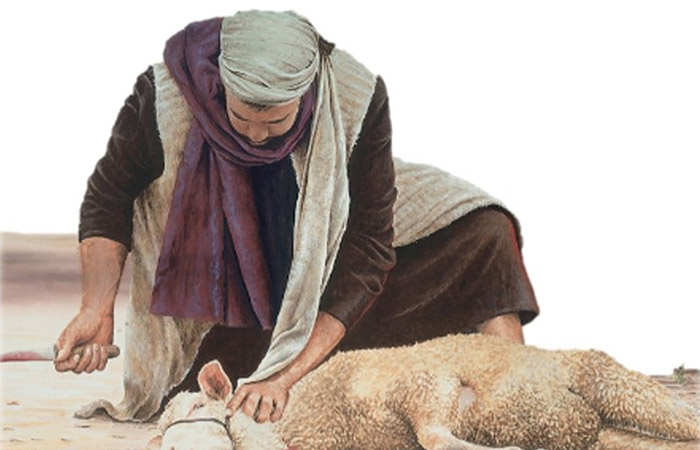
"하나님의 아들 예수 그리스도 복음의 시작이라." (막 1:1, 개역) 창세 전에 성자로부터 시작된 복음은 아담의 범죄 이후 더욱 분명하게 나타났다. 죄로 인해 사망과 고통이 들어왔을 때, "처음부터 너희에게 말하여 온 자"(요 8:25)이신 예수님께서는 아담과 하와를 위하여 "가죽 옷을 지어 입히시니라"(창 3:21). 이는 인류를 위한 구속과 회복의 시작을 보여준다. "...뱀에게 물린 자마다 놋뱀을 쳐다본즉 살더라." (민 21:9, 개역) "나는 너를 치료하는 여호와임이니라." (출 15:26, 개역) 하나님은 치료하시는 하나님이시다. 구약 시대에는 수많은 짐승들이 죄인을 대신하여 피를 흘렸으며, 이러한 희생 제사는 장차 오실 하나님의 어린양 예수 그리스도를 가리켰다. 마침내 예수님께서는 십자가에서 피를 흘리심으로 인류를 위한 구속을 이루셨다. 구약의 희생 제사와 십자가의 피는 모두 복음과 치유를 위한 하나님의 구원의 계획을 나타낸다. 예수님께서 이 땅에 오심으로 치유 선교는 더욱 분명하게 나타났다.
예수님께서는 천국 복음을 전파하시며 모든 병과 모든 약한 것을 고치셨고(마 9:35), 많은 사람들을 회복시키셨다. 주님의 사역에서 복음과 치유는 항상 함께 이루어졌다. 초대교회 역시 예수님의 모본을 따라 복음을 전하며 병든 자를 돌보았다. 사도들은 예수 그리스도의 이름으로 병자를 고치고 복음을 전하였으며, 교회는 회복과 섬김의 사명을 감당하였다. 기독교가 세계 각 지역으로 확장되면서 치유 선교도 함께 발전하였다. 교회와 선교사들은 병들고 가난하며 소외된 사람들을 섬기며 복음을 전하였다. 시대와 환경은 달랐지만 사람들을 회복시키고 하나님께 인도하려는 목적은 동일하였다. 치유 선교의 역사는 단순한 치유 활동의 역사가 아니다. 그것은 사람을 하나님께로 인도하고 잃어버린 생명과 건강을 회복시키려는 하나님의 사랑과 구원의 역사이다.
“The beginning of the gospel of Jesus Christ, the Son of God.” (Mark 1:1) The Gospel, which began with the Son before the foundation of the world, became more clearly revealed after Adam's fall. When sin brought death and suffering into the world, Jesus, “the one who has been speaking to you from the beginning” (John 8:25), made garments of skin for Adam and Eve and clothed them (Genesis 3:21). This reveals the beginning of God's work of redemption and restoration for humanity. “...everyone that is bitten, when he looketh upon it, shall live.” (Numbers 21:9) “For I am the LORD that healeth thee.” (Exodus 15:26) God is a God who heals. Throughout the Old Testament, countless animals shed their blood in place of sinners. These sacrifices pointed forward to Jesus Christ, the Lamb of God who was to come. At last, Jesus shed His blood on the cross and accomplished redemption for humanity. Both the Old Testament sacrifices and the blood of the cross reveal God's plan of salvation for the Gospel and healing. With the coming of Jesus, healing mission became even more evident. Jesus proclaimed the Gospel of the Kingdom and healed every disease and every weakness among the people (Matthew 9:35). In His ministry, the Gospel and healing always went together. The early church also followed the example of Jesus by preaching the Gospel and caring for the sick. The apostles healed the sick in the name of Jesus Christ and proclaimed the Gospel, while the church fulfilled its mission of restoration and service. As Christianity spread throughout the world, healing mission continued to develop. Churches and missionaries served the sick, the poor, and the marginalized while sharing the Gospel. Although times and circumstances differed, the purpose remained the same: to restore people and lead them to God. The history of healing mission is not merely the history of healing activities. It is the history of God's love and salvation, leading people to God and restoring the life and health that had been lost.
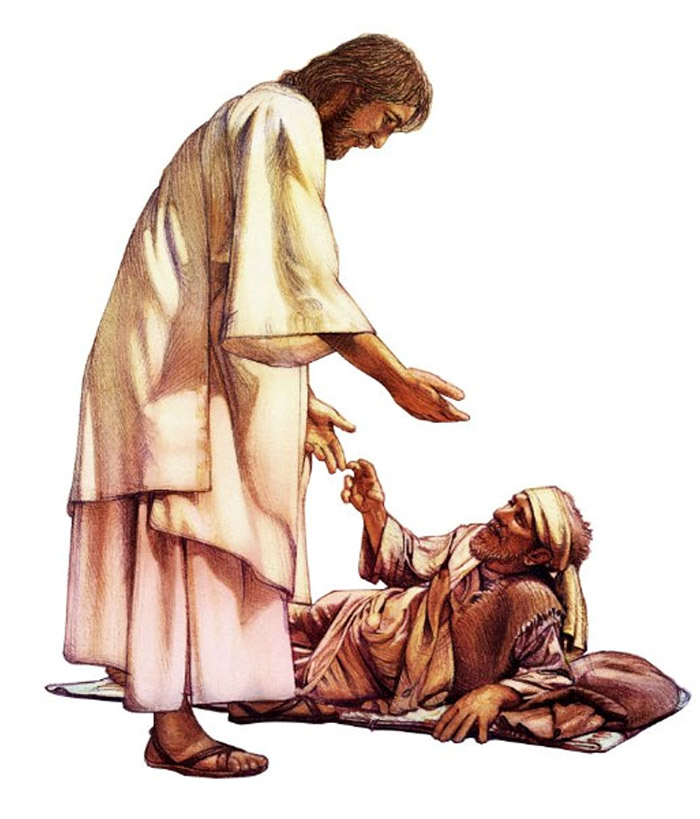
치유 선교는 단순한 봉사 활동이 아니라 하나님께서 맡기신 중요한 사명이다. 오늘날 많은 사람들은 육체적, 정신적, 정서적, 영적 고통 가운데 살아가고 있으며, 이러한 필요는 복음을 받아들이는 중요한 계기가 되기도 한다.
예수님께서는 병든 자를 고치시고 연약한 자를 돌보시며 하나님의 나라를 전하셨다. 교회 역시 고통받는 사람들을 외면해서는 안 된다.
"가서 너도 이와 같이 하라.“ (눅 10:37, 개역)
치유 선교는 고통받는 이웃을 향한 그리스도의 사랑을 실천하는 사역이다.
또한 예수님께서는 말씀하셨다.
"너희는 온 천하에 다니며 만민에게 복음을 전파하라.“ (막 16:15, 개역)
치유는 복음을 위한 통로이며, 사람을 하나님께 인도하는 효과적인 선교 방법이다. 복음 없는 치유는 근본적인 해결이 될 수 없으며, 사람들의 필요를 외면한 복음 전파 역시 복음의 사랑을 온전히 나타내기 어렵다.
참된 치유 선교는 실천에 옮긴 복음이며 복음 전파의 살아 있는 통로이다. 이것은 성경의 명령을 이루는 일이요, 주님께서 원하시는 중요한 사명이다.
The Importance of Healing Mission
Healing mission is not merely an act of service; it is an important mission entrusted by God. Today, many people live with physical, mental, emotional, and spiritual suffering, and such needs often become important opportunities for them to receive the Gospel.
Jesus healed the sick, cared for the weak, and proclaimed the Kingdom of God. Likewise, the church must not ignore those who are suffering.
“Go, and do thou likewise.” (Luke 10:37)
Healing mission is the practice of Christ's love toward those who are suffering.
Jesus also said:
“Go ye into all the world, and preach the gospel to every creature.” (Mark 16:15)
Healing is a channel for the Gospel and an effective means of leading people to God. Healing without the Gospel cannot provide a fundamental solution, and preaching the Gospel while ignoring people's needs cannot fully reveal the love of the Gospel.
True healing mission is the Gospel put into practice and a living channel for Gospel ministry. It fulfills the command of Scripture and is an important mission that the Lord desires His people to carry out.
성경은 마지막 때에 세상에 큰 혼란과 재난이 있을 것을 예언하고 있다. 전쟁과 기근, 전염병과 지진, 사회적 혼란과 도덕적 타락이 증가하며, 사람들은 두려움과 불안 가운데 살아가게 될 것이다. (참고 성경: 마 24장, 딤후 3:1-5, 눅 17:26-30, 눅 21:11, 계 6:12-14, 계 13:16-17) 거대한 위기가 바로 우리 앞에 있다. 지금은 세상에 경고의 기별을 전해야 할 때이며, 하나님께서 주신 수단들을 활용해야 할 때이다. 그 가운데 매우 중요한 수단 중 하나가 바로 치유 선교이다. 마지막 시대에는 전염병과 각종 재난, 경제적 위기와 사회적 혼란이 증가할 것이다. 종교의 자유가 제한되고, 경제적 통제와 압박이 강화되며, 사람들은 육체적·정신적·정서적 고통 속에서 살아가게 될 것이다. 또한 기후 변화와 자연재해는 인류의 삶을 더욱 어렵게 만들 것이다. 예루살렘의 멸망은 마지막 시대를 위한 경고이기도 하다. 하나님께서는 마지막 시대의 위험을 미리 알려 주시고 준비하도록 부르신다. 도시는 점점 더 혼잡과 불안, 각종 재난의 중심지가 되어 가고 있으며, 하나님의 백성은 시대를 분별하고 준비해야 한다. 이러한 시대에 복음을 전하는 일은 더욱 중요해진다. 그러나 많은 사람들은 바쁜 삶 속에서 복음에 귀를 기울이지 않는다. 반면 질병과 고통은 계속 증가하고 있으며, 현대 의학과 과학 역시 해결할 수 없는 영역에 직면하고 있다. 사람들은 도움과 회복을 갈망하고 있다. 바로 이때 치유 선교는 가장 효과적인 복음 전파의 방법이 될 수 있다. 치유는 사람들의 마음을 열고, 복음은 그들을 하나님께로 인도한다. 고통받는 사람들을 회복시키고 섬기는 일은 마지막 시대에 하나님의 사랑과 자비를 나타내는 중요한 사역이다. 초대교회 시대에는 성령의 능력 아래 복음이 급속히 전파되었고 수많은 사람들이 하나님께로 돌아왔다. 마지막 복음 추수의 때에도 하나님의 성령께서 역사하실 것이며, 하나님의 백성은 세상에 마지막 경고의 기별을 전하게 될 것이다. 그러므로 마지막 때를 준비하는 교회는 복음과 치유를 함께 준비해야 한다. 지금이야말로 복음과 함께 주신 하나님의 치유 방법을 세상에 전해야 할 때이다. 치유 선교는 사람을 회복시키고 하나님께로 인도하는 마지막 시대의 중요한 선교 사명이며, 마지막 경고의 기별을 전하는 효과적인 통로가 될 것이다.
The Bible foretells that in the last days there will be great confusion and calamities in the world. Wars, famines, pestilences, earthquakes, social unrest, and moral decline will increase, and people will live in fear and uncertainty. (References: Matthew 24; 2 Timothy 3:1-5; Luke 17:26-30; Luke 21:11; Revelation 6:12-14; Revelation 13:16-17) A great crisis is right before us. This is the time to proclaim the warning message to the world and to use the means that God has provided. One of the most important of these means is healing mission. In the last days, pestilences, various disasters, economic crises, and social turmoil will increase. Religious freedom may be restricted, economic pressures and controls may intensify, and people will suffer physically, mentally, and emotionally. Climate change and natural disasters will also make human life increasingly difficult. The destruction of Jerusalem serves as a warning for the last days. God calls His people to recognize the dangers of the times and to prepare. Cities are becoming centers of confusion, insecurity, and various disasters, and God's people must discern the times and be ready. In such a time, proclaiming the Gospel becomes even more important. Yet many people are too occupied with life to listen to the Gospel. At the same time, sickness and suffering continue to increase, and modern medicine and science are facing limitations they cannot overcome. People are longing for help and restoration. At such a time, healing mission can become one of the most effective methods of Gospel ministry. Healing opens people's hearts, and the Gospel leads them to God. Restoring and serving those who suffer is an important ministry that reveals God's love and mercy in the last days. In the early church, the Gospel spread rapidly through the power of the Holy Spirit, and many people turned to God. During the final harvest of the Gospel, the Holy Spirit will work again, and God's people will proclaim the final warning message to the world. Therefore, the church preparing for the last days must prepare both the Gospel and healing ministry. Now is the time to share God's healing method, given together with the Gospel, with the world. Healing mission is an important mission for the last days, restoring people and leading them to God, while serving as an effective channel for proclaiming the final warning message.
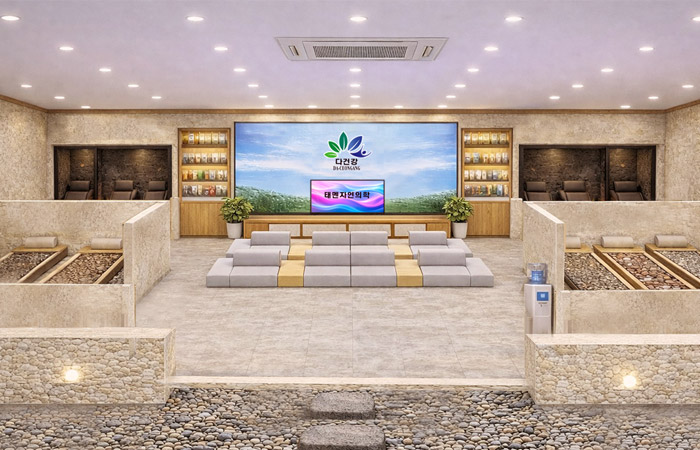
성경은 마지막 시대에 하나님의 백성이 세상에 마지막 경고의 기별을 전하게 될 것을 예언하고 있다. 이러한 시대에 치유 선교는 복음을 전하는 매우 중 요한 수단이 될 수 있다. 태멘 자연의학은 마지막 시대를 위하여 새롭게 만들어진 치유 방법이 아니다. 복음이 상고와 태초부터 하나님의 계획 가운데 있었던 것처럼, 치유 역시 복음과 함께 하나님의 계획 가운데 있었다. 하나님께서는 인간의 죄와 고통의 문제를 해결하기 위하여 복음과 함께 치유의 원리도 주셨다. 다만 이러한 원리가 마지막 시대에 더욱 절실하게 요구되고 있으며 더욱 분명하게 드러나고 있는 것이다. 오늘날 인류는 질병과 스트레스, 환경오염, 잘못된 생활습관, 정신적·정서적 문제 등으로 큰 고통 가운데 살아가고 있다. 많은 사람들은 건강을 잃어가고 있으며, 기존의 방법만으로는 해결하기 어려운 문제들에 직면하고 있다. 이러한 시대에 치유 선교는 사람들의 실제적인 필요에 응답하는 중요한 통로가 된다. 복음 사업이 더욱 효과적이고 생산적이며 효율적으로 이루어지기 위해서는 하나님께서 주신 방법을 따라야 한다.
태멘 자연의학은 성경적 원리에 기초하여 생명과 건강, 회복의 원리를 설명하며 사람을 하나님께로 인도하는 치유 선교의 실제적인 방법을 제시하고자 한다.
1) 가정 치유센터를 곳곳에 세워야 한다.
대규모 시설 중심이 아니라 약 20명 내외를 수용할 수 있는 소규모 가정 치유센터를 곳곳에 세워야 한다. 이러한 치유센터는 복음과 치유를 함께 전하는 지역 거점이 되며, 마지막 시대의 선교 네트워크 역할을 수행할 수 있다.
2) 치유센터는 시골과 자연 속에 세워야 한다.
도시는 점점 더 혼잡과 스트레스, 질병과 재난의 중심지가 되어 가고 있다. 반면 하나님께서 창조하신 자연은 건강 회복을 위한 가장 기본적인 환경이다. 깨끗한 공기와 물, 햇빛, 자연환경은 하나님께서 주신 치유의 자원이다. 따라서 치유센터는 자연이 보존된 시골 지역에 세워지는 것이 바람직하다.
3) 도시에는 무료 체험센터를 운영해야 한다.
도시에는 시골의 치유센터와 연결되는 무료 체험센터를 곳곳에 마련해야 한다. 이곳은 사람들이 복음과 치유를 자연스럽게 접할 수 있는 접촉점이 되며, 치유센터와 연결되는 통로가 된다.
체험센터는 교회와 교인뿐 아니라 뜻이 있는 누구나 운영할 수 있어야 한다. 또한 제품을 직접 보유하지 않더라도 체험을 통해 필요한 사람들에게 연결할 수 있는 구조를 갖추어야 한다.
이러한 체험센터는 복음과 치유를 전하는 선교 거점이 될 뿐 아니라 운영자에게 지속 가능한 소득을 제공할 수 있어야 한다. 따라서 체험센터는 복음과 치유를 전하는 창구이며, 자립적인 선교 활동을 가능하게 하는 기반이 되어야 한다.
4) 선교와 직업을 하나로 만들어야 한다.
마지막 시대에는 선교와 직업을 분리하는 방식에 한계가 있을 수 있다. 직업이 선교가 되고, 선교가 직업이 되는 자립형 구조가 필요하다.
사도 바울이 자비량으로 사역했던 것처럼 복음과 치유를 함께 실천하며 스스로 운영할 수 있는 체계를 준비해야 한다. 마지막 시대의 치유 선교는 지속 가능한 자립형 선교가 되어야 한다.
5) 누구나 배울 수 있는 치유 교육이 필요하다.
치유 선교는 소수 전문가만의 영역이 되어서는 안 된다. 하나님을 사랑하고 영혼을 사랑하는 사람이라면 누구나 쉽게 배우고 실천할 수 있도록 단순하고 체계적인 교육이 필요하다.
복잡한 학문 중심이 아니라 실제 생활과 선교 현장에 적용할 수 있는 교육이어야 하며, 누구나 복음과 치유를 함께 전할 수 있도록 해야 한다.
6) 자급을 위한 생활 기반을 준비해야 한다.
마지막 시대를 준비하는 사람들은 가능한 범위 안에서 생활 자립의 기반을 마련할 필요가 있다. 작은 텃밭을 가꾸고 채소를 재배하며 건강한 생활 환경을 조성하는 것은 건강과 자립을 동시에 돕는 방법이 될 수 있다.
이러한 준비는 단순한 생존 대책이 아니라 건강 회복과 치유 선교를 위한 실제적인 기반이 되어야 한다.
7) 세계적인 치유 선교 네트워크를 구축해야 한다.
마지막 시대를 준비하기 위하여 전 세계에 힐링원 10만 개소와 체험원 20만 개소를 세우는 것을 목표로 해야 한다. 힐링원은 치유와 교육의 중심이 되고, 체험원은 복음과 치유를 접하는 창구가 되어 사람들을 연결하는 역할을 하게 된다.
지금은 이러한 사역을 조직화하고 체계화해야 할 때이다. 그러나 마지막 시대에는 사회적 혼란과 경제적 통제 등으로 인해 오늘날과 같은 중앙집중식 운영이 어려워질 수 있다. 따라서 지금부터 각 지역이 독립적으로 운영될 수 있는 자립형 치유 선교 체계를 준비해야 한다.
또한 세계 각지의 치유 경험과 교육, 웰니스 제품과 힐링 프로그램을 연결하여 다건강 치유 생태계를 구축해야 한다. 이를 통하여 더 많은 사람들이 복음과 치유를 경험하게 되고, 수많은 구도자들이 하나님께로 인도될 수 있다.
힐링원과 체험원의 확산, 치유 선교의 조직화와 체계화, 그리고 치유와 복음을 통한 생태계 구축은 마지막 시대를 준비하는 중요한 사명이 될 것이다. 이것은 사람들을 하나님께로 인도하고 주의 재림을 준비하는 실제적인 선교 전략이 될 수 있다.
The Bible foretells that God's people will proclaim the final warning message to the world in the last days. In such a time, healing mission can become a very important means of sharing the Gospel.
Taemen Natural Medicine is not a healing method newly created for the last days. Just as the Gospel has been part of God's plan from Sanggo and from the Beginning, healing has also been part of God's plan together with the Gospel. God provided not only the Gospel but also the principles of healing to address the problems of sin, suffering, and human brokenness. In these last days, the need for these principles has become more urgent and their significance more clearly revealed.
Today, humanity suffers from disease, stress, environmental pollution, unhealthy lifestyles, and mental and emotional struggles. Many people are losing their health and facing problems that are difficult to solve through conventional methods alone. In such a time, healing mission becomes an important channel for meeting people's real needs.
For the work of the Gospel to be more effective, productive, and efficient, it must follow God's methods. Based on biblical principles, Taemen Natural Medicine seeks to explain the principles of life, health, and restoration while presenting practical methods of healing mission that lead people to God.
1) Home-Based Healing Centers Should Be Established Everywhere
Rather than relying on large facilities, small home-based healing centers capable of serving about twenty people should be established in many locations. These centers can become local bases for sharing both healing and the Gospel, serving as a mission network for the last days.
2) Healing Centers Should Be Established in Rural Natural Environments
Cities are increasingly becoming centers of congestion, stress, disease, and disaster. In contrast, the natural environment created by God provides the most basic setting for health restoration. Clean air, pure water, sunlight, and natural surroundings are healing resources given by God. Therefore, healing centers should be established in rural areas where nature is preserved.
3) Free Experience Centers Should Be Operated in Cities
Free experience centers connected to rural healing centers should be established throughout cities. These centers can serve as contact points where people are naturally introduced to both the Gospel and healing, while also functioning as gateways that connect them to healing centers.
These centers should be open not only to churches and church members but also to anyone who shares the vision of this mission. Even without maintaining product inventory, they should be able to connect people with the resources they need through experience-based outreach.
Such centers should serve not only as mission outposts for healing and the Gospel but also as sustainable sources of income for their operators. Therefore, they should function as channels for sharing the Gospel and healing while providing a foundation for self-supporting mission work.
4) Mission and Occupation Must Become One
In the last days, there may be limitations to separating mission from occupation. A self-supporting structure is needed in which one's occupation becomes mission, and mission becomes one's occupation.
Just as the Apostle Paul carried out a self-supporting ministry, a system should be prepared in which people can practice both the Gospel and healing while sustaining their own work. Healing mission in the last days must become a sustainable and self-supporting ministry.
5) Healing Education Must Be Available to Everyone
Healing mission should not be limited to a small group of specialists. Simple and systematic training is needed so that anyone who loves God and cares for souls can easily learn and practice it.
The focus should not be on complex academic study but on practical education that can be applied in daily life and mission fields, enabling ordinary people to share both the Gospel and healing.
6) A Foundation for Self-Sufficiency Must Be Prepared
Those preparing for the last days should establish a reasonable degree of self-sufficiency. Growing vegetables in small gardens and creating a healthy living environment can help promote both health and independence.
Such preparation is not merely a survival strategy; it should serve as a practical foundation for health restoration and healing mission.
7) A Global Healing Mission Network Must Be Established
To prepare for the last days, the goal should be to establish 100,000 Healing Centers and 200,000 Experience Centers throughout the world. Healing Centers will serve as centers for healing and education, while Experience Centers will function as gateways where people can encounter both the Gospel and healing and be connected to the larger mission network.
Now is the time to organize and systematize this work. However, in the last days, social unrest, economic controls, and other challenges may make centralized administration difficult. Therefore, self-supporting healing mission systems that can operate independently in local regions should be developed and prepared from now on.
The experiences of healing and restoration, educational resources, wellness products, and healing programs from around the world should be connected to build the Da Geon Gang Healing Ecosystem. Through this network, more people will experience both the Gospel and healing, and countless seekers can be led to God.
The expansion of Healing Centers and Experience Centers, the organization and systematization of healing mission, and the development of an ecosystem that integrates healing and the Gospel will become an important mission in preparing for the last days. This can serve as a practical mission strategy for leading people to God and preparing for the return of Christ.


