제1장 질병의 실체
Chapter 1. The Reality of Disease
다건강은 우리모두의 건강입니다.
인류는 오랜 세월 동안 질병과 싸워 왔다. 질병이 발생하면 그 증상을 제거하거나 억제하는 방법을 연구하였고, 수많은 의학 체계가 발전하였다. 그러나 질병의 이름과 증상은 매우 다양함에도 불구하고, 질병이 발생하는 근본적인 원인은 무엇인가에 대해서는 여전히 많은 논의가 이루어지고 있다. 태멘 자연의학은 질병을 단순히 병명이나 증상으로 이해하지 않는다. 질병은 생명의 흐름에 문제가 발생하여 나타나는 결과이며, 그 핵심에는 피의 순환 장애가 있다고 본다. 성경은 "육체의 생명은 피에 있음이라"(레위기 17:11)고 기록하고 있다. 피는 생명을 유지하는 통로이며, 모든 기관과 조직, 세포에 생명을 공급하는 역할을 한다. 따라서 피의 흐름이 원활하면 건강이 유지되고, 피의 흐름이 저하되거나 막히면 다양한 질병 현상이 나타나게 된다. 태멘 자연의학은 질병의 실체를 피의 순환 장애로 이해한다. 다시 말해 질병은 독립적으로 존재하는 실체가 아니라 생명의 흐름이 막혀 나타나는 현상이다. 예를 들어 강물이 막히면 물이 썩고 악취가 발생하듯이, 혈액의 흐름이 막히면 세포의 기능이 저하되고 여러 질병이 나타난다. 따라서 질병을 이해하기 위해서는 먼저 피와 생명의 관계를 이해해야 한다.
질병의 이름은 수천 가지가 있지만 생명은 하나이며 피도 하나이다. 그러므로 질병의 종류보다 먼저 생명의 흐름을 살펴보는 것이 중요하다.
Humanity has struggled with disease throughout history. Whenever disease occurs, people have sought ways to eliminate or suppress its symptoms, and numerous medical systems have been developed. However, despite the great variety of disease names and symptoms, there is still ongoing discussion regarding the fundamental cause of disease. Taemen Natural Medicine does not view disease merely as a disease name or a collection of symptoms. Rather, disease is understood as the result of a disturbance in the flow of life, with impaired blood circulation at its core. The Bible states, “For the life of the flesh is in the blood” (Leviticus 17:11). Blood is the channel through which life is sustained, supplying life to every organ, tissue, and cell in the body. Therefore, when the flow of blood is smooth and unobstructed, health is maintained. When blood flow is reduced or blocked, various disease conditions begin to appear. Taemen Natural Medicine understands the reality of disease as a disorder of blood circulation. In other words, disease is not an independent entity in itself but a phenomenon that appears when the flow of life is obstructed. For example, when a river becomes blocked, the water stagnates, becomes polluted, and develops a foul odor. Likewise, when the flow of blood is hindered, cellular function declines and various diseases arise. Therefore, in order to understand disease, one must first understand the relationship between blood and life. Although there are thousands of disease names, there is only one life and one blood. Therefore, it is more important to examine the flow of life than to focus solely on the different types of diseases.
제2장 혈액의 상태와 질병의 실체
Chapter 2. The Relationship Between Blood Condition and Disease
다건강은 우리모두의 건강입니다.
혈액은 인체를 순환하며 생명을 유지하는 가장 중요한 체액이다.
심장은 혈액을 전신으로 보내고 혈액은 산소와 영양소를 세포에 공급하며 노폐물을 제거한다.
혈액의 주요 기능은 다음과 같다.
1)산소 공급 - 혈액은 폐에서 받아들인 산소를 전신의 세포와 조직에 공급한다. 적혈구의 헤모글로빈이 산소 운반, 세포의 에너지
생산 지원, 생명 유지의 기본 기능 수행한다.
2) 영양 공급 - 음식물에서 얻은 영양소를 각 기관과 세포에 전달한다. 포도당, 아미노산, 지방산, 비타민, 무기질 등을 운반한다.
3) 노폐물 제거 - 세포 활동 후 발생한 노폐물을 배출 기관으로 운반한다. 이산화탄소 → 폐, 요소 → 신장, 기타 대사 노폐물 → 간·신장
4) 호르몬 운반 기능 - 내분비 기관에서 생성된 호르몬을 목표 기관까지 운반. 인슐린, 갑상선호르몬, 성장호르몬, 성호르몬 등을 전달.
5) 면역 방어 기능 – 외부 병원체와 이물질로부터 몸을 보호한다. 백혈구, 항체 , 면역세포 등이 혈액을 통해 이동하며 방어 활동.
6) 체온 유지 기능 – 혈액은 열을 운반하여 체온을 일정하게 유지한다. 열 분산, 열 보존, 체온 균형 유지
7) 수분 조절 기능 – 체내 수분의 균형을 유지한다. 세포 내외 수분 조절, 혈압 유지, 체액 균형 유지
8) 산·염기(pH) 균형 유지 기능 – 혈액은 체내 pH를 일정하게 유지. 정상 pH 약 7.35~7.45, 산성화 또는 알칼리화 방지, 효소 활동 유지
9) 응고 및 지혈 기능 - 상처가 발생했을 때 출혈을 막는다. 혈소판 작용, 혈액 응고 인자 작용, 조직 보호
10) 회복과 재생 - 손상된 조직의 회복에 필요한 물질을 공급한다. 산소 공급, 영양 공급, 면역세포 이동, 조직 재생 촉진
11) 살균 기능 - 침입한 세균과 바이러스를 제거하도록 돕는다. 식균작용, 항체 작용, 보체 작용
12) 해독 기능 - 독성 물질을 간과 신장으로 운반하여 제거를 돕는다. 약물 대사, 독소 제거, 체내 정화
13) 정보 전달 기능 - 신체 각 기관 간의 생명 정보를 전달한다. 호르몬 전달, 면역 신호 전달, 생체 조절 물질 운반.
Blood is the most important fluid in the human body for sustaining life. The heart pumps blood throughout the body, and blood supplies oxygen and nutrients to cells while removing waste products.
The major functions of blood are as follows:
1) Oxygen Supply
Blood delivers oxygen received from the lungs to every cell and tissue throughout the body.
Hemoglobin within red blood cells carries oxygen and transports it to the tissues where it is needed. This oxygen supports the production of cellular energy and enables normal metabolic activity.
Without an adequate supply of oxygen, cells cannot properly produce energy, tissues lose their normal function, and life cannot be sustained. Therefore, oxygen transport is one of the most fundamental and essential functions of blood.
Through this function, blood serves as a vital channel of life, continually supplying the oxygen necessary for growth, maintenance, repair, and survival.
2) Nutrient Supply : Blood delivers nutrients obtained from food to every organ, tissue, and cell throughout the body.
It transports essential nutrients such as glucose, amino acids, fatty acids, vitamins, and minerals, providing the materials necessary for growth, energy production, maintenance, and repair. Through this function, blood supports the normal activities and survival of all body cells.
3) Waste Removal : Blood carries waste products generated by cellular activity to the organs responsible for elimination.
Carbon dioxide is transported to the lungs for exhalation, urea is carried to the kidneys for excretion, and other metabolic wastes are delivered to the liver and kidneys for processing and removal. This function helps maintain a clean internal environment and supports healthy cellular function.
4) Hormone Transport : Blood transports hormones produced by endocrine glands to their target organs and tissues.
Hormones such as insulin, thyroid hormones, growth hormone, and sex hormones are carried through the bloodstream, enabling communication and coordination among different parts of the body. This function helps regulate metabolism, growth, reproduction, and many other physiological processes.
5) Immune Defense : Blood protects the body from harmful microorganisms and foreign substances.
White blood cells, antibodies, and other immune cells travel through the bloodstream to identify, attack, and eliminate pathogens. Through this defense system, blood plays a vital role in protecting the body against infection and disease.
6) Temperature Regulation : Blood helps maintain a stable body temperature by transporting heat throughout the body.
It distributes heat generated by metabolism, conserves heat when necessary, and releases excess heat through the skin. This function helps maintain thermal balance and supports normal physiological activity.
7) Water Regulation : Blood helps maintain the body's water balance.
It regulates the distribution of water inside and outside cells, supports blood pressure, and contributes to the balance of body fluids. Proper water regulation is essential for maintaining normal cellular function and overall health.
8) Acid–Base (pH) Balance : Blood maintains the body's acid–base balance by keeping pH within a narrow normal range.
The normal blood pH is approximately 7.35 to 7.45. Blood helps prevent excessive acidity or alkalinity and provides a stable environment for enzyme activity and cellular metabolism. This balance is essential for life.
9) Coagulation and Hemostasis : Blood prevents excessive bleeding when injury occurs.
Platelets and clotting factors work together to form blood clots that seal damaged blood vessels and protect tissues from further blood loss. This function is essential for wound healing and survival.
10) Recovery and Regeneration : Blood supplies the materials necessary for tissue repair and regeneration.
By delivering oxygen, nutrients, immune cells, and various growth factors to injured areas, blood supports healing processes and promotes the restoration of damaged tissues.
11) Antimicrobial Function : Blood helps eliminate invading bacteria, viruses, and other harmful microorganisms.
Through phagocytosis, antibody activity, and the complement system, blood contributes to the destruction and removal of pathogens. This function works closely with the immune defense system to protect the body from infection.
12) Detoxification Support : Blood transports toxic substances to the liver and kidneys for processing and elimination.
It assists in drug metabolism, toxin removal, and internal cleansing by carrying harmful substances away from tissues and toward the organs responsible for detoxification and excretion.
13) Information Transmission : Blood serves as a communication network that delivers biological information throughout the body.
It carries hormones, immune signals, enzymes, and various regulatory substances between organs and tissues. Through this function, blood helps coordinate and integrate the activities of the body's systems, ensuring proper physiological regulation and balance.
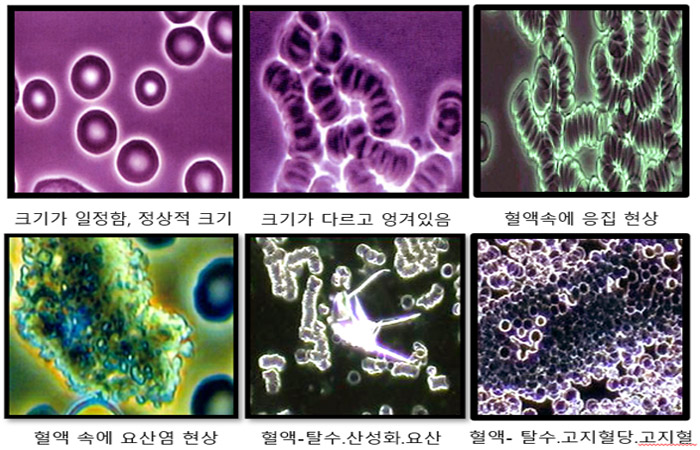
태멘 자연의학에서는 혈액의 상태를 생명의 흐름을 보여주는 중요한 지표로 이해한다. 혈액의 상태가 건강할수록 공급, 순환, 교환, 방어, 회복 기능이 원활하게 이루어지며, 혈액 상태가 악화될수록 다양한 질병 현상이 나타날 수 있다.
1) 건강한 혈액 : 가장 이상적인 상태의 혈액이다.
특징 : 혈구가 적절한 간격 유지, 흐름이 부드럽고 원활, 산소 공급 정상, 노폐물 제거 원활, 면역 기능 정상
결과 : 건강 유지, 활력 증가, 회복력 향상
2) 응집된 혈액 : 적혈구가 서로 뭉쳐 있는 상태이다.
특징 : 혈액 점도 증가, 모세혈관 통과 어려움, 산소 운반 감소, 결과 : 피로, 두통, 순환 장애
3) 혈전이 형성된 혈액 : 혈액 속 응집물이 증가하여 혈류를 방해하는 상태이다.
특징 : 혈관 통로 감소, 혈류 감소, 조직 산소 부족, 결과 : 각종 순환성 질환, 혈관 질환 위험 증가
4) 노폐물이 많은 혈액 : 대사 과정에서 생성된 노폐물이 증가한 상태이다.
특징 : 혈액 정화 기능 저하, 조직 환경 악화, 결과 : 만성 피로, 염증 증가, 회복력 감소
5) 산소가 부족한 혈액 : 산소 운반 능력이 감소된 상태이다.
특징 : 적혈구 기능 저하, 산소 공급 부족 결과 : 무기력, 집중력 저하, 세포 기능 저하
6) 영양이 부족한 혈액 : 필요한 영양소가 부족한 상태이다.
특징 : 단백질 부족, 비타민 부족, 미네랄 부족 결과 : 면역력 저하, 성장 및 회복 저하
7) 산성화된 혈액 환경 : 체내 산성 노폐물이 증가한 상태를 말한다.
특징 : 대사 부산물 증가, 피로 물질 축적 결과 : 만성 피로, 회복 지연, 기능 저하
※ 실제 혈액의 pH는 매우 좁은 범위에서 유지되므로, 여기서 말하는 "산성화"는 주로 체내 대사 환경을 의미한다.
8) 정화되고 회복된 혈액 : 순환과 대사가 정상적으로 이루어지는 회복 상태의 혈액이다.
특징 : 혈류 원활, 산소 공급 증가, 노폐물 제거 증가, 면역 기능 향상 결과 : 활력 증가, 건강 회복, 자연 치유력 향상
혈액의 상태는 곧 생명의 흐름의 상태를 보여준다.
건강한 혈액 → 원활한 순환 → 정상 기능 → 건강, 혈액 이상 → 순환 장애 → 기능 저하 → 질병
따라서 태멘 자연의학은 혈액의 상태를 관찰하고, 피의 흐름을 회복하는 것을 건강 회복의 중요한 요소로 이해한다.
Taemen Natural Medicine understands the condition of blood as an important indicator that reflects the flow of life. The healthier the condition of the blood, the more effectively the functions of supply, circulation, exchange, defense, and recovery are carried out. As the condition of the blood deteriorates, various disease conditions may appear.
1) Healthy Blood : Healthy blood is the most ideal condition of blood. Characteristics: Maintains appropriate spacing between blood cells, smooth and efficient flow, normal oxygen supply, efficient waste removal, normal immune function. Results: Maintenance of health, increased vitality, improved recovery ability.
2) Aggregated Blood : This is a condition in which red blood cells are clumped together. Characteristics: Increased blood viscosity, difficulty passing through capillaries, reduced oxygen transport. Results: Fatigue, headaches, circulatory disorders.
3) Blood with Thrombus Formation : This is a condition in which aggregates within the blood increase and interfere with blood flow. Characteristics: Reduced vascular passageways, decreased blood flow, insufficient oxygen supply to tissues. Results: Various circulatory diseases, increased risk of vascular disorders.
4) Blood with Excess Waste Products : This is a condition in which waste products generated through metabolism are increased. Characteristics: Reduced blood purification function, deterioration of the tissue environment. Results: Chronic fatigue, increased inflammation, reduced recovery ability.
5) Oxygen-Deficient Blood : This is a condition in which the oxygen-carrying capacity of the blood is reduced. Characteristics: Reduced red blood cell function, insufficient oxygen supply. Results: Lethargy, decreased concentration, impaired cellular function.
6) Nutrient-Deficient Blood : This is a condition in which essential nutrients are lacking. Characteristics: Protein deficiency, vitamin deficiency, mineral deficiency. Results: Reduced immunity, impaired growth and recovery.
7) Acidified Blood Environment : This refers to a condition in which acidic metabolic waste products increase within the body. Characteristics: Increased metabolic by-products, accumulation of fatigue-producing substances. Results: Chronic fatigue, delayed recovery, functional decline. Note: Since the actual pH of blood is maintained within a very narrow range, the term "acidification" here primarily refers to the body's metabolic environment rather than the blood itself becoming acidic.
8) Purified and Recovered Blood: This is a recovered state of blood in which circulation and metabolism are functioning normally. Characteristics: Smooth blood flow, increased oxygen supply, enhanced waste removal, improved immune function. Results: Increased vitality, restoration of health, enhanced natural healing ability.
The condition of blood reflects the condition of the flow of life.
ealthy Blood → Efficient Circulation → Normal Function → Health
Abnormal Blood → Circulatory Impairment → Functional Decline → Disease
Therefore, Taemen Natural Medicine regards the observation of blood conditions and the restoration of healthy blood flow as essential elements in the recovery and maintenance of health.
제3장 혈전과 모세혈관
Chapter 3. Thrombi and Capillaries
다건강은 우리모두의 건강입니다.
혈전은 혈액의 흐름을 방해하는 응집물 또는 장애물을 말하며, 정상적인 생리 기능을 상실하여 생명의 흐름을 원활하게 수행하지 못하는 혈액 상태를 포함한다. 태멘 자연의학에서는 혈전을 생명의 흐름을 방해하는 대표적인 장애 요소로 이해한다. 혈전이 증가하면 혈관 내부의 통로가 좁아지거나 막혀 혈액의 흐름이 감소하게 된다. 특히 모세혈관과 같은 작은 혈관에서는 그 영향이 더욱 크게 나타날 수 있다. 그 결과 산소와 영양 공급이 감소하고 노폐물 배출이 원활하게 이루어지지 못하여 세포와 조직의 기능이 저하될 수 있다. 따라서 혈전은 생명의 흐름을 방해하는 장애물이며, 건강을 저해하는 중요한 요인으로 볼 수 있다.
A thrombus refers to an aggregate or obstruction that interferes with the flow of blood. It also includes any blood condition that has lost its normal physiological function and is unable to support the flow of life effectively. In Taemen Natural Medicine, a thrombus is understood as one of the primary obstacles that interferes with the flow of life. As thrombi increase, the pathways within blood vessels become narrowed or blocked, resulting in reduced blood flow. This effect can be especially significant in small blood vessels such as capillaries. As a result, the supply of oxygen and nutrients decreases, while the removal of waste products becomes less efficient. Consequently, the functions of cells and tissues may decline. Therefore, a thrombus is regarded as an obstacle to the flow of life and an important factor that may impair health.
인체의 혈관은 동맥, 정맥, 모세혈관으로 구성되어 있고, 그중 모세혈관은 가장 가는 혈관으로서 세포와 직접 연결되는 생명의 통로이다. 모세혈관에서는 다음과 같은 일이 이루어진다. 산소 공급, 영양 공급, 노폐물 제거, 체액 교환, 세포 회복 등으로 모세혈관은 생명이 실제로 전달되는 현장이며, 세포가 살아가는 공간과 가장 가까운 혈관이다.
The human vascular system consists of arteries, veins, and capillaries. Among these, capillaries are the smallest blood vessels and serve as the channels of life that connect directly with the body's cells. The following essential functions take place within the capillaries: Oxygen delivery, Nutrient delivery, Waste removal, Fluid exchange, Cellular recovery Capillaries are the actual sites where life is delivered and exchanged. They are the blood vessels located closest to the cells and provide the environment necessary for cellular survival and function.
모세혈관은 매우 가늘기 때문에 작은 장애물에도 영향을 받을 수 있다. 혈전이 형성되면, 혈류 감소 → 산소 공급 감소 → 영양 공급 감소 → 노폐물 제거 감소 → 세포 기능 저하 → 조직 기능 저하 → 기관 기능 저하 → 질병 발생 이라는 과정을 거치게 된다. 따라서 혈전은 단순한 혈액의 변화가 아니라 생명의 흐름을 방해하는 장애물로 이해할 수 있다.
Because capillaries are extremely small, they can be affected even by minor obstructions. When a thrombus is formed, the following process may occur: Reduced Blood Flow → Reduced Oxygen Supply → Reduced Nutrient Supply → Reduced Waste Removal → Decline in Cellular Function → Decline in Tissue Function → Decline in Organ Function → Disease Development Therefore, a thrombus is not merely a change in the condition of blood. It can be understood as an obstacle that interferes with the flow of life itself. According to Taemen Natural Medicine, the health of cells, tissues, and organs depends upon the uninterrupted flow of blood through the capillaries, and any obstruction to this flow may contribute to the development of disease.
제4장 여러질환과 질병의 실체
Chapter 4. Various Diseases and the Reality of Disease
다건강은 우리모두의 건강입니다.
사람들은 질병을 병명으로 구분한다. 고혈압, 당뇨병, 천식, 관절염, 심장병, 치매, 우울증 등 수많은 질병 이름이 존재한다.그러나 태멘 자연의학은 이러한 병명보다 질병의 본질을 먼저 이해해야 한다고 본다. 질병의 이름은 다르지만 그 배후에는 생명의 질과 생명의 흐름 저하라는 공통점이 존재한다고 본다.
People classify diseases by their names. There are countless disease names such as hypertension, diabetes, asthma, arthritis, heart disease, dementia, and depression. However, Taemen Natural Medicine teaches that the nature of disease should be understood before focusing on disease names. Although diseases have different names, they share a common underlying characteristic: a decline in the quality of life and a reduction in the flow of life.
뇌는 인체에서 가장 많은 산소를 사용하는 기관 중 하나이다. 뇌의 순환이 원활하지 못하면 다음과 같은 현상이 나타날 수 있다. 뇌졸중, 뇌경색, 뇌출혈, 일과성 허혈 발작(TIA), 치매, 알츠하이머병, 혈관성 치매, 루이소체 치매, 파킨슨병, 파킨슨 증후군, 헌팅턴병, 간질(뇌전증), 편두통, 군발두통, 긴장성 두통, 삼차신경통, 좌골신경통, 말초신경병증, 안면신경마비(벨마비), 안면경련, 다발성경화증, 근위축성 측삭경화증(ALS), 중증근무력증, 길랭-바레 증후군, 척수염, 척수손상, 뇌수막염, 뇌염, 수두증, 뇌종양, 청신경종양, 신경 교종, 뇌하수체종양, 자율신경실조증, 손목터널증후군, 수근관증후군, 척추신경압박증, 추간판 탈출증(디스크), 척추관 협착증, 불면증, 기면증, 하지불안증후군, 수면무호흡증, 현훈증(어지럼증), 메니에르병, 본태성 진전, 떨림증, 만성피로증후군 불안장애, 불안증, 공황장애 등이 발생할 수 있다.
The brain is one of the organs that consumes the greatest amount of oxygen in the human body. When circulation to the brain is impaired, the following conditions may occur: Stroke, cerebral infarction, cerebral hemorrhage, transient ischemic attack (TIA), dementia, Alzheimer's disease, vascular dementia, Lewy body dementia, Parkinson's disease, Parkinsonism, Huntington's disease, epilepsy, migraine, cluster headache, tension headache, trigeminal neuralgia, sciatica, peripheral neuropathy, facial nerve palsy (Bell's palsy), facial spasm, multiple sclerosis, amyotrophic lateral sclerosis (ALS), myasthenia gravis, Guillain-Barré syndrome, myelitis, spinal cord injury, meningitis, encephalitis, hydrocephalus, brain tumor, acoustic neuroma, glioma, pituitary tumor, autonomic nervous system dysfunction, carpal tunnel syndrome, median nerve compression syndrome, spinal nerve compression, herniated intervertebral disc (disc disease), spinal stenosis, insomnia, narcolepsy, restless legs syndrome, sleep apnea, vertigo, Ménière's disease, essential tremor, tremor disorder, chronic fatigue syndrome, anxiety disorder, anxiety, and panic disorder.
심장은 전신에 혈액을 공급하는 기관이다. 심장의 혈액 공급의 문제나 혈관의 질환은 협심증, 심근경색증, 심부전, 부정맥, 심방 세동, 심방조동, 심실 빈맥, 심실세동, 서맥, 빈맥, 심장, 판막질환, 대동맥판, 협착증, 대동맥판, 폐쇄부전증, 승모판, 협착증, 승모판, 폐쇄부전증, 심근병증, 확장성 심근병증, 비후성 심근병증, 제한성 심근병증, 심근염, 심내막염, 심낭염, 고혈압, 저혈압, 동맥경화증, 죽상 동맥경화증, 혈전증, 심부 정맥 혈전증, 폐색전증, 대동맥류, 대동맥 박리, 하지 정맥류, 만성 정맥부전, 폐고혈압, 관상동맥질환, 허혈성 심장질환, 선천성심장질환, 심방중격결손, 심실중격결손, 동맥관개존증, 팔로사징후, 뇌경색, 뇌출혈, 뇌졸중, 일과성 허혈발작(TIA)등이 발생할 수 있다.
The heart is the organ responsible for supplying blood throughout the body. Problems with the blood supply to the heart or diseases affecting the blood vessels may result in the following conditions: Angina pectoris, myocardial infarction, heart failure, arrhythmia, atrial fibrillation, atrial flutter, ventricular tachycardia, ventricular fibrillation, bradycardia, tachycardia, valvular heart disease, aortic valve stenosis, aortic valve insufficiency, mitral valve stenosis, mitral valve insufficiency, cardiomyopathy, dilated cardiomyopathy, hypertrophic cardiomyopathy, restrictive cardiomyopathy, myocarditis, endocarditis, pericarditis, hypertension, hypotension, arteriosclerosis, atherosclerosis, thrombosis, deep vein thrombosis, pulmonary embolism, aortic aneurysm, aortic dissection, varicose veins, chronic venous insufficiency, pulmonary hypertension, coronary artery disease, ischemic heart disease, congenital heart disease, atrial septal defect, ventricular septal defect, patent ductus arteriosus, Tetralogy of Fallot, cerebral infarction, cerebral hemorrhage, stroke, and transient ischemic attack (TIA).
폐와 기관지는 산소를 받아들이는 기관이다. 혈액 순환이 저하되면, 급성기관지염, 만성기관지염, 기관지천식, 기관지확장증, 폐렴, 폐결핵, 만성폐쇄성폐질환(COPD), 폐기종, 간질성폐질환, 폐섬유증, 폐고혈압, 폐색전증, 흉막염, 기흉, 폐암, 폐농양, 폐부종, 폐진균증, 진폐증, 규폐증, 석면폐증, 급성호흡곤란증후군(ARDS), 수면무호흡증, 만성기침, 호흡부전, 폐동맥고혈압, 폐성심, 폐출혈, 객혈, 기관지폐이형성증, 세기관지염, 백일해, 폐포단백증, 낭포성섬유증, 폐혈전색전증, 과민성폐렴, 흡인성폐렴, 바이러스성폐렴, 세균성폐렴, 진균성폐렴, 폐낭종, 폐결절, 폐종양 등이 나타날 수 있다.
The lungs and bronchi are organs responsible for receiving oxygen. When blood circulation is impaired, the following conditions may occur: acute bronchitis, chronic bronchitis, bronchial asthma, bronchiectasis, pneumonia, pulmonary tuberculosis, chronic obstructive pulmonary disease (COPD), emphysema, interstitial lung disease, pulmonary fibrosis, pulmonary hypertension, pulmonary embolism, pleurisy, pneumothorax, lung cancer, lung abscess, pulmonary edema, pulmonary fungal infection, pneumoconiosis, silicosis, asbestosis, acute respiratory distress syndrome (ARDS), sleep apnea, chronic cough, respiratory failure, pulmonary arterial hypertension, cor pulmonale, pulmonary hemorrhage, hemoptysis, bronchopulmonary dysplasia, bronchiolitis, pertussis (whooping cough), pulmonary alveolar proteinosis, cystic fibrosis, pulmonary thromboembolism, hypersensitivity pneumonitis, aspiration pneumonia, viral pneumonia, bacterial pneumonia, fungal pneumonia, pulmonary cysts, pulmonary nodules, and pulmonary tumors.
내장 계통도 혈액을 통해 건강이 유지된다. 역류성식도염, 식도염, 식도궤양, 식도협착증, 식도암, 위염, 급성위염, 만성위염, 위궤양, 위출혈, 위용종, 위암, 십이지장궤양, 장염, 소장염, 크론병, 흡수장애 증후군, 셀리악병, 소장폐색, 장중첩증, 장허혈, 소장게실증, 소장암, 과민성대장증후군, 궤양성대장염, 대장염, 대장게실염, 대장용종, 대장암, 변비, 설사, 직장염, 직장용종, 직장암, 치핵(치질), 치열, 치루, 항문농양, 항문암, 지방간, 알코올성지방간, 비알코올성지방간, 간염, A형간염, B형간염, C형간염, 간경변증, 간부전, 간암, 담석증, 담낭염, 담관염, 담낭용종, 담낭암, 급성췌장염, 만성췌장염, 췌장암, 기능성소화불량, 복부팽만증, 소화불량증, 위식도역류질환(GERD) 등이 올 수 있다.
The digestive system also maintains its health through the circulation of blood. The following conditions may occur: gastroesophageal reflux disease (GERD), esophagitis, esophageal ulcer, esophageal stricture, esophageal cancer, gastritis, acute gastritis, chronic gastritis, gastric ulcer, gastric bleeding, gastric polyps, stomach cancer, duodenal ulcer, enteritis, small intestine inflammation, Crohn’s disease, malabsorption syndrome, celiac disease, intestinal obstruction, intussusception, intestinal ischemia, small intestinal diverticulosis, small intestinal cancer, irritable bowel syndrome (IBS), ulcerative colitis, colitis, diverticulitis, colon polyps, colon cancer, constipation, diarrhea, proctitis, rectal polyps, rectal cancer, hemorrhoids, anal fissures, anal fistulas, perianal abscesses, anal cancer, fatty liver disease, alcoholic fatty liver disease, non-alcoholic fatty liver disease, hepatitis, hepatitis A, hepatitis B, hepatitis C, liver cirrhosis, liver failure, liver cancer, gallstones, cholecystitis, cholangitis, gallbladder polyps, gallbladder cancer, acute pancreatitis, chronic pancreatitis, pancreatic cancer, functional dyspepsia, abdominal bloating, indigestion, and gastroesophageal reflux disease (GERD).
내분비 계통도 혈액을 통해 건강이 유지된다. 당뇨병, 제1형당뇨병, 제2형당뇨병, 임신성당뇨병, 갑상선기능항진증, 갑상선기능저하증, 갑상선염, 갑상선종, 갑상선암, 그레이브스병, 하시모토갑상선염, 부신기능항진증, 부신기능저하증, 쿠싱증후군, 애디슨병, 원발성알도스테론증, 갈색세포종, 뇌하수체기능저하증, 뇌하수체선종, 말단비대증, 거인증, 왜소증, 요붕증, 고프로락틴혈증, 부갑상선기능항진증, 부갑상선기능저하증, 고칼슘혈증, 저칼슘혈증, 다낭성난소증후군(PCOS), 저혈당증, 대사증후군, 비만증, 골다공증, 골연화증, 성조숙증, 성선기능저하증, 남성갱년기, 여성갱년기, 성장호르몬결핍증, 성장호르몬과다증 등이 올 수 있다.
The endocrine system also maintains its health through the circulation of blood. The following conditions may occur: diabetes mellitus, type 1 diabetes, type 2 diabetes, gestational diabetes, hyperthyroidism, hypothyroidism, thyroiditis, goiter, thyroid cancer, Graves’ disease, Hashimoto’s thyroiditis, adrenal hyperfunction, adrenal insufficiency, Cushing’s syndrome, Addison’s disease, primary aldosteronism, pheochromocytoma, hypopituitarism, pituitary adenoma, acromegaly, gigantism, dwarfism, diabetes insipidus, hyperprolactinemia, hyperparathyroidism, hypoparathyroidism, hypercalcemia, hypocalcemia, polycystic ovary syndrome (PCOS), hypoglycemia, metabolic syndrome, obesity, osteoporosis, osteomalacia, precocious puberty, hypogonadism, male menopause (andropause), female menopause (menopause), growth hormone deficiency, and growth hormone excess.
비뇨기계 계통도 혈액을 통해 건강이 유지된다. 신장염, 사구체신염, 신우신염, 신증후군, 급성신부전, 만성신부전, 말기신부전, 신장결석, 요로결석, 수신증, 다낭성신장질환, 신장암, 방광염, 간질성방광염, 과민성방광, 신경인성방광, 방광결석, 방광암, 요도염, 요도협착증, 요실금, 야뇨증, 혈뇨, 단백뇨, 전립선염, 전립선비대증, 전립선암, 부고환염, 고환염, 발기부전, 남성불임, 신장결핵, 요관결석, 요관염, 요폐, 배뇨장애, 빈뇨, 절박뇨, 잔뇨감, 방광출구폐색, 신혈관성고혈압 등이 올 수 있다.
The urinary system also maintains its health through the circulation of blood. The following conditions may occur: nephritis, glomerulonephritis, pyelonephritis, nephrotic syndrome, acute kidney failure, chronic kidney failure, end-stage renal disease, kidney stones, urinary tract stones, hydronephrosis, polycystic kidney disease, kidney cancer, cystitis, interstitial cystitis, overactive bladder, neurogenic bladder, bladder stones, bladder cancer, urethritis, urethral stricture, urinary incontinence, nocturnal enuresis, hematuria, proteinuria, prostatitis, benign prostatic hyperplasia (BPH), prostate cancer, epididymitis, orchitis, erectile dysfunction, male infertility, renal tuberculosis, ureteral stones, ureteritis, urinary retention, voiding dysfunction, urinary frequency, urinary urgency, residual urine sensation, bladder outlet obstruction, and renovascular hypertension.
근골격계 계통도 혈액을 통해 건강이 유지된다. 퇴행성관절염, 골관절염, 류마티스관절염, 통풍, 강직성척추염, 반응성관절염, 건선성관절염, 감염성관절염, 활액막염, 오십견(유착성관절낭염), 회전근개염, 회전근개파열, 무릎연골손상, 반월상연골손상, 턱관절장애, 섬유근육통, 골다공증, 골연화증, 척추측만증, 척추후만증, 척추전만증, 추간판탈출증(허리디스크), 경추추간판탈출증(목디스크), 척추관협착증, 척추분리증, 척추전방전위증, 요통, 경추통, 좌골신경통, 근막통증증후군, 테니스엘보, 골프엘보, 손목터널증후군, 방아쇠수지, 족저근막염, 아킬레스건염, 점액낭염, 근육염, 근이영양증, 골수염, 대퇴골두무혈성괴사, 강직, 근육경련, 근육위축, 인대손상, 십자인대파열, 반월상연골파열, 탈구, 염좌, 골절, 피로골절 등이 올 수 있다.
The musculoskeletal system also maintains its health through the circulation of blood. The following conditions may occur: degenerative arthritis, osteoarthritis, rheumatoid arthritis, gout, ankylosing spondylitis, reactive arthritis, psoriatic arthritis, infectious arthritis, synovitis, frozen shoulder (adhesive capsulitis), rotator cuff tendinitis, rotator cuff tear, knee cartilage injury, meniscus injury, temporomandibular joint disorder (TMJ disorder), fibromyalgia, osteoporosis, osteomalacia, scoliosis, kyphosis, lordosis, herniated lumbar disc, cervical disc herniation, spinal stenosis, spondylolysis, spondylolisthesis, low back pain, neck pain, sciatica, myofascial pain syndrome, tennis elbow, golfer’s elbow, carpal tunnel syndrome, trigger finger, plantar fasciitis, Achilles tendinitis, bursitis, myositis, muscular dystrophy, osteomyelitis, avascular necrosis of the femoral head, joint stiffness, muscle cramps, muscle atrophy, ligament injuries, anterior cruciate ligament (ACL) tear, meniscal tear, dislocation, sprain, fracture, and stress fracture.
피부도 혈액을 통해 건강이 유지된다. 아토피피부염, 접촉성피부염, 지루성피부염, 자극성피부염, 알레르기성피부염, 습진, 건선, 두드러기, 여드름, 모낭염, 종기, 농가진, 백반증, 기미, 주근깨, 검버섯, 무좀, 백선, 완선, 어루러기, 칸디다증, 대상포진, 단순포진, 사마귀, 물사마귀, 수두, 옴, 피부결핵, 피부진균증, 피부염증, 피부궤양, 욕창, 원형탈모증, 남성형탈모, 여성형탈모, 지루성탈모, 다한증, 한포진, 광선각화증, 켈로이드, 티눈, 굳은살, 흑색종, 기저세포암, 편평세포암, 피부암, 홍반루푸스, 피부혈관염, 농포성건선, 주사(로사세아), 접촉두드러기, 색소침착증, 색소탈실증, 피부건조증, 가려움증(소양증) 등이 올 수 있다.
The skin also maintains its health through the circulation of blood. The following conditions may occur: atopic dermatitis, contact dermatitis, seborrheic dermatitis, irritant dermatitis, allergic dermatitis, eczema, psoriasis, urticaria (hives), acne, folliculitis, boils, impetigo, vitiligo, melasma, freckles, age spots, athlete’s foot, tinea, jock itch, tinea versicolor, candidiasis, herpes zoster (shingles), herpes simplex, warts, molluscum contagiosum, chickenpox, scabies, cutaneous tuberculosis, fungal skin infections, skin inflammation, skin ulcers, pressure ulcers (bedsores), alopecia areata, male-pattern baldness, female-pattern baldness, seborrheic alopecia, hyperhidrosis, dyshidrotic eczema, actinic keratosis, keloids, corns, calluses, melanoma, basal cell carcinoma, squamous cell carcinoma, skin cancer, lupus erythematosus, cutaneous vasculitis, pustular psoriasis, rosacea, contact urticaria, hyperpigmentation, depigmentation disorders, xerosis (dry skin), and pruritus (itching).
감각기관 계통도 혈액을 통해 건강이 유지된다. 백내장, 녹내장, 황반변성, 당뇨망막병증, 망막박리, 망막혈관폐쇄증, 망막색소변성증, 결막염, 각막염, 안구건조증, 익상편, 안검염, 다래끼, 사시, 약시, 색맹, 야맹증, 시신경염, 시신경위축, 안구진탕증, 비염, 알레르기비염, 혈관운동성비염, 축농증(부비동염), 비용종, 코중격만곡증, 후각장애, 후각상실증, 중이염, 외이염, 내이염, 난청, 감각신경성난청, 전음성난청, 이명, 메니에르병, 이석증, 현훈증, 편도염, 인두염, 후두염, 성대결절, 성대폴립, 음성장애, 구강건조증, 미각장애, 미각상실증, 구내염 등이 올 수 있다.
The sensory organs also maintain their health through the circulation of blood. The following conditions may occur: cataracts, glaucoma, macular degeneration, diabetic retinopathy, retinal detachment, retinal vascular occlusion, retinitis pigmentosa, conjunctivitis, keratitis, dry eye syndrome, pterygium, blepharitis, stye, strabismus, amblyopia, color blindness, night blindness, optic neuritis, optic nerve atrophy, nystagmus, rhinitis, allergic rhinitis, vasomotor rhinitis, sinusitis, nasal polyps, deviated nasal septum, olfactory disorders, anosmia, otitis media, otitis externa, otitis interna, hearing loss, sensorineural hearing loss, conductive hearing loss, tinnitus, Ménière's disease, benign paroxysmal positional vertigo (BPPV), vertigo, tonsillitis, pharyngitis, laryngitis, vocal cord nodules, vocal cord polyps, voice disorders, dry mouth, taste disorders, loss of taste, and stomatitis.
생식기 질환도 혈액을 통하여 건강이 유지된다. 자궁근종, 자궁내막증, 자궁선근증, 자궁경부염, 자궁경부암, 자궁내막암, 자궁암, 자궁탈출증, 난소낭종, 난소염, 난소암, 다낭성난소증후군(PCOS), 골반염, 질염, 세균성질염, 칸디다질염, 트리코모나스질염, 질건조증, 외음염, 외음부암, 난임, 불임, 생리통, 월경과다, 월경불순, 무월경, 조기폐경, 갱년기증후군, 자궁외임신, 전립선염, 전립선비대증, 전립선암, 발기부전, 조루증, 남성불임, 고환염, 부고환염, 정계정맥류, 고환수종, 잠복고환, 고환암, 음경염, 음경암, 요도염, 성기능장애, 성선기능저하증, 남성갱년기, 여성갱년기 등이 올 수도 있다.
The reproductive system also maintains its health through the circulation of blood. The following conditions may occur: uterine fibroids, endometriosis, adenomyosis, cervicitis, cervical cancer, endometrial cancer, uterine cancer, uterine prolapse, ovarian cysts, oophoritis, ovarian cancer, polycystic ovary syndrome (PCOS), pelvic inflammatory disease, vaginitis, bacterial vaginosis, candidal vaginitis, trichomonas vaginitis, vaginal dryness, vulvitis, vulvar cancer, infertility, sterility, dysmenorrhea, menorrhagia, irregular menstruation, amenorrhea, premature menopause, menopausal syndrome, ectopic pregnancy, prostatitis, benign prostatic hyperplasia (BPH), prostate cancer, erectile dysfunction, premature ejaculation, male infertility, orchitis, epididymitis, varicocele, hydrocele, cryptorchidism, testicular cancer, balanitis, penile cancer, urethritis, sexual dysfunction, hypogonadism, andropause, and menopause.
정신, 정서 질환도 혈액을 통하여 건강이 유지된다. 우울증, 주요우울장애, 양극성장애(조울증), 불안장애, 범불안장애, 공황장애, 공포증, 사회불안장애, 강박장애(OCD), 외상후스트레스장애(PTSD), 급성스트레스장애, 적응장애, 불면증, 기면증, 수면장애, 수면무호흡증, 악몽장애, 신체증상장애, 건강염려증, 전환장애, 해리성장애, 해리성정체감장애, 기억상실증, 조현병, 망상장애, 분열정동장애, 편집증, 주의력결핍과잉행동장애(ADHD), 자폐스펙트럼장애, 학습장애, 틱장애, 투렛증후군, 섭식장애, 거식증, 폭식증, 알코올사용장애, 약물사용장애, 도박장애, 인터넷중독, 게임중독, 성격장애, 경계성성격장애, 반사회성성격장애, 자기애성성격장애, 회피성성격장애, 의존성성격장애, 만성피로증후군, 번아웃증후군, 화병, 분노조절장애, 애도장애, 정서불안, 스트레스증후군 등이 올 수 있다.
Mental and emotional health is also maintained through the circulation of blood. The following conditions may occur: depression, major depressive disorder, bipolar disorder, anxiety disorder, generalized anxiety disorder, panic disorder, phobias, social anxiety disorder, obsessive-compulsive disorder (OCD), post-traumatic stress disorder (PTSD), acute stress disorder, adjustment disorder, insomnia, narcolepsy, sleep disorders, sleep apnea, nightmare disorder, somatic symptom disorder, illness anxiety disorder, conversion disorder, dissociative disorder, dissociative identity disorder, amnesia, schizophrenia, delusional disorder, schizoaffective disorder, paranoia, attention-deficit/hyperactivity disorder (ADHD), autism spectrum disorder, learning disorders, tic disorders, Tourette syndrome, eating disorders, anorexia nervosa, bulimia nervosa, alcohol use disorder, substance use disorder, gambling disorder, internet addiction, gaming addiction, personality disorders, borderline personality disorder, antisocial personality disorder, narcissistic personality disorder, avoidant personality disorder, dependent personality disorder, chronic fatigue syndrome, burnout syndrome, Hwa-Byung (anger syndrome), intermittent explosive disorder, prolonged grief disorder, emotional instability, and stress syndrome.
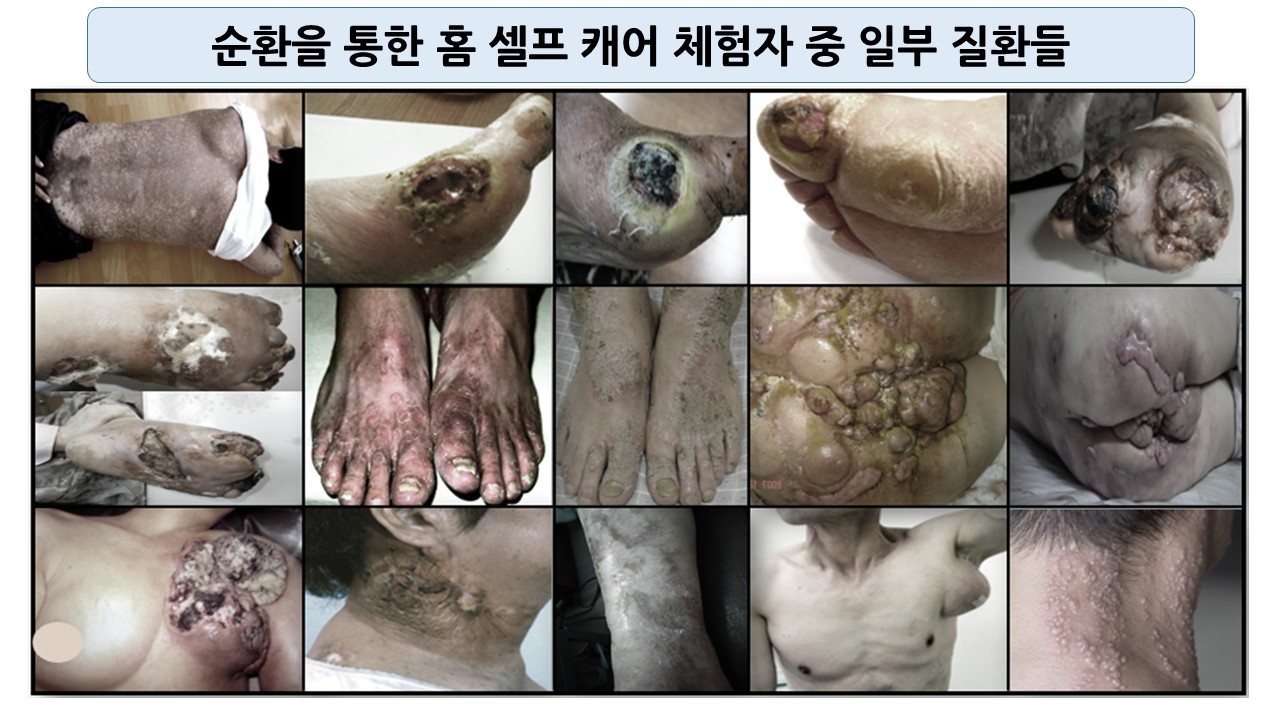
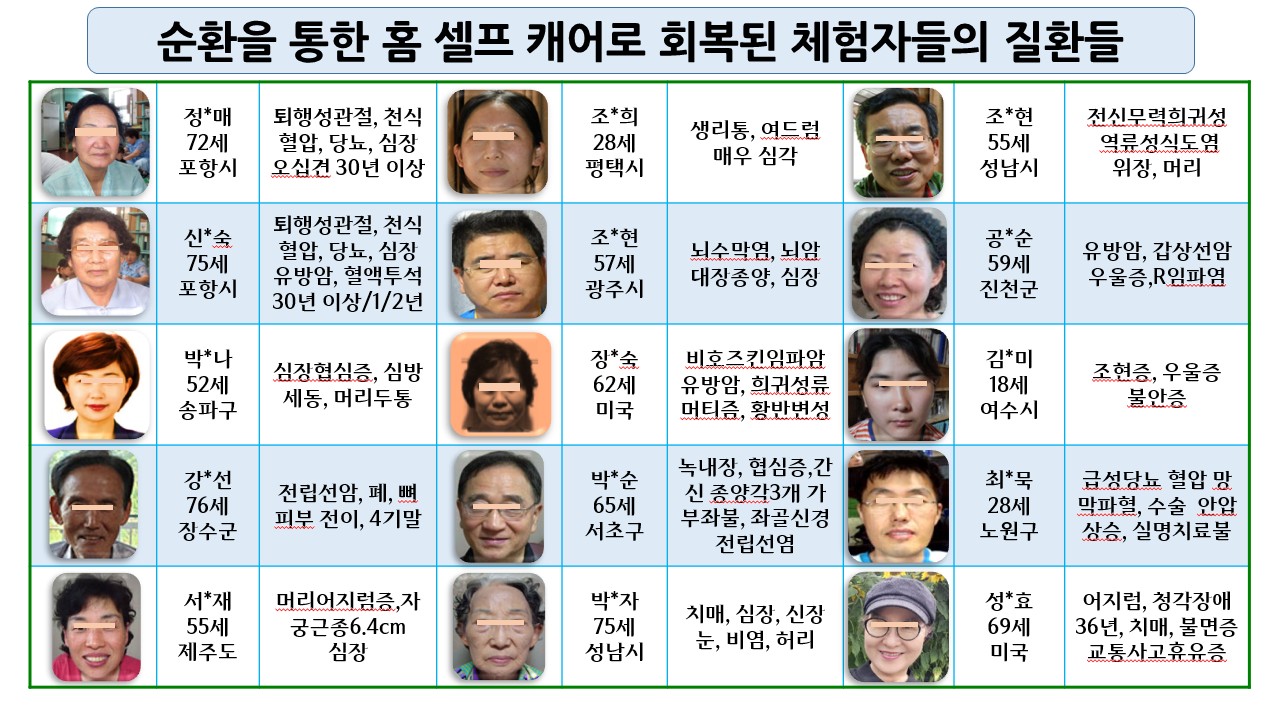
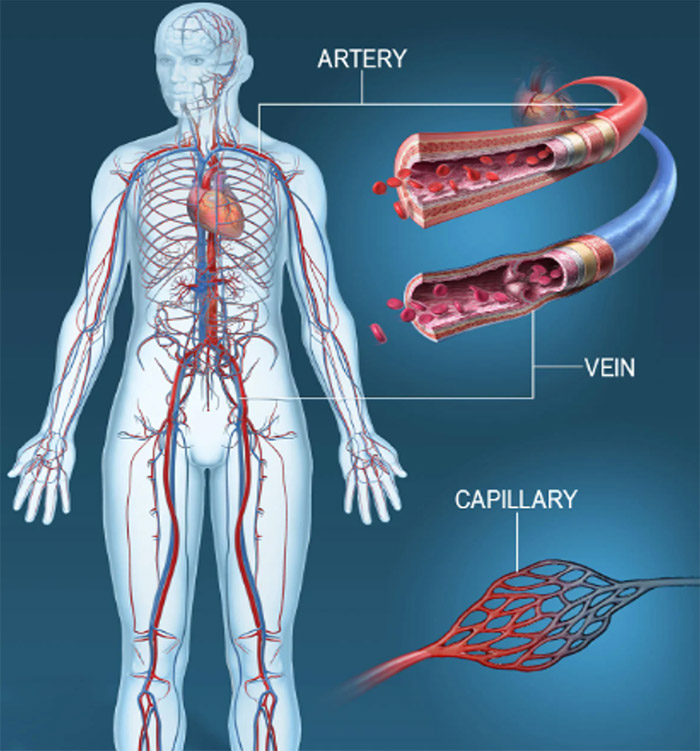
태멘 자연의학은 질병의 실체를 피의 순환 장애로 이해한다.
질병은 단순히 병명이나 증상 자체를 의미하는 것이 아니다. 병명은 질병이 나타난 결과를 구분하기 위한 명칭일 뿐이며, 그 이면에는 생명의 흐름이 원활하지 못한 상태가 존재한다고 본다.
피는 산소와 영양을 공급하고 노폐물을 제거하며 생명을 유지하는 통로이다. 따라서 피의 흐름이 원활하면 세포와 조직, 기관이 정상적으로 기능할 수 있지만, 피의 흐름이 저하되거나 막히면 산소와 영양 공급이 감소하고 노폐물이 축적되어 다양한 질병 현상이 나타나게 된다.
태멘 자연의학은 질병을 각각 독립된 실체로 보기보다 생명의 흐름이 막혀 나타나는 다양한 현상으로 이해한다. 심장질환은 심장의 생명 흐름 장애로, 폐질환은 폐의 생명 흐름 장애로, 관절질환은 관절의 생명 흐름 장애로 나타난다고 본다. 이처럼 질병의 이름과 증상은 다르지만 그 배후에는 생명의 흐름 저하라는 공통된 원리가 존재한다고 이해한다.
그러므로 질병을 올바르게 이해하기 위해서는 증상과 병명만을 보는 것이 아니라 그 근원에 있는 생명의 흐름을 먼저 이해해야 한다. 또한 건강 회복의 핵심은 단순히 증상을 억제하는 데 있는 것이 아니라 막혀 있는 생명의 흐름이 원래대로 회복되도록 돕는 데 있다고 본다.
"육체의 생명은 피에 있음이라“ (레위기 17:11)
이 말씀은 태멘 자연의학이 질병의 실체를 이해하는 가장 기본적인 원리이며 건강과 치유를 바라보는 출발점이다.
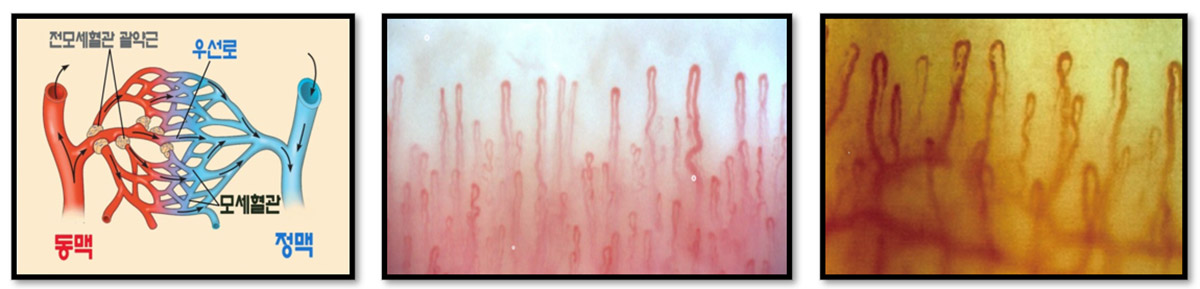
1) 모세혈관은 생명의 터전이다
인체의 혈액순환을 이해하기 위해서는 모세혈관의 중요성을 반드시 이해해야 한다.
심장에서 내보낸 혈액은 큰 동맥을 지나 중간 혈관을 통과한 후 최종적으로 모세혈관에 도달한다. 모든
세포는 모세혈관으로부터 약 0.03mm 이내에 위치하고 있으며, 세포에 필요한 산소와 영양소를
공급받고 노폐물을 배출하는 모든 생명 활동은 모세혈관에서 이루어진다.
모세혈관은 직경이 약 0.001mm에서 0.01mm 정도로 매우 가늘며, 머리카락 굵기의 약 10분의 1 정도에 해당한다. 인체
전체 모세혈관의 길이는 약 99,000km에 이르는 것으로 알려져 있으며, 이는 지구 둘레의 약 2.5배에 해당하는 길이이다.
또한 인체 혈관의 대부분은 모세혈관으로 구성되어 있다.
모세혈관은 뼈 속을 포함하여 몸 전체에 분포되어 있으며 생명 유지에 필요한 모든 것을 공급하고 질병과 죽음을 초래하는 각종 노폐물과 독성 물질을 교환하는 장소이다. 이러한 의미에서 모세혈관은 인체 최대의 장기라고 할 수 있다. 심장을 자세히 살펴보면 심장 근육에 공급되는 혈액 역시 대부분 모세혈관을 통하여 전달된다. 결국 혈액순환의 주역은 심장만이 아니라 모세혈관이며, 생명의 주역 또한 모세혈관이라고 할 수 있다. 건강의 핵심 통로는 모세혈관이다. 모세혈관이 통해야 세포가 살고, 세포가 살아야 조직이 살며, 조직이 살아야 기관이 살고, 기관이 살아야 사람이 건강하게 살아갈 수 있다.
2) 혈전은 생명의 흐름을 막는 장애물이다
태멘 자연의학에서 말하는 혈전은 단순히 의학적으로 정의되는 혈액 응고 덩어리만을 의미하지 않는다.
혈전이란 혈액의 흐름을 방해하는 응집물 또는 장애물이며, 피로서 정상적인 생리 기능을 상실하여 생명의 흐름을 원활하게
수행하지 못하는 모든 혈액 상태를 포함한다.
인체의 모든 혈관은 생명의 통로이다. 혈액은 생명의 액체이며, 혈관은 생명의 길이고, 순환은 생명의 운동이다. 따라서 혈관
이 막히는 것은 생명의 흐름이 막히는 것이며, 이것이 질병과 죽음으로 이어지는 중요한 원인이 된다.
특히 모세혈관은 매우 작은 혈관이므로 작은 장애물에도 쉽게 영향을 받을 수 있다. 혈전이 증가하면 혈관 내부 공간이 좁아
지고 혈류가 감소하며 산소와 영양 공급이 저하된다. 반대로 노폐물 배출은 감소하여 세포 기능이 저하되고 조직과 기관의
기능도 약화된다.
결국 혈전은 생명의 흐름을 방해하는 장애물이며, 질병의 실체를 이해하는 중요한 열쇠가 된다.
3) 혈전에 대한 태멘 자연의학의 이해
태멘 자연의학의 창안자는 1985년부터 혈전의 중요성을 교육해 왔으며, 1987년 이후 「사랑의 작은 도구」, 「순환치유법」,
「수족투영치유법」 등의 책자와 교육을 통하여 혈전과 혈액순환의 중요성을 소개하였다.
당시에는 혈전과 미세순환의 중요성을 인정하지 않는 사람들이 많았으나, 오늘날에는 혈전이 다양한 심혈관질환과 뇌혈관
질환의 중요한 원인 중 하나로 알려져 있다. 또한 매년 10월 13일은 세계 혈전의 날(World Thrombosis Day)로 지정되어 혈
전의 위험성과 예방의 중요성을 알리고 있다.
태멘 자연의학은 질병의 실체를 생명의 흐름을 방해하는 혈전과 순환 장애로 이해한다. 따라서 건강 회복의 핵심은 혈전과 순
환 장애를 줄이고, 막혀 있는 생명의 통로를 회복하여 혈액이 모세혈관까지 원활하게 흐르도록 돕는 데 있다고 본다.
질병은 생명의 흐름이 막힌 현상이며, 치유는 생명의 흐름이 회복되는 과정이다. 그리고 그 중심에는 생명의 통로인 혈액과
생명의 터전인 모세혈관이 존재한다.
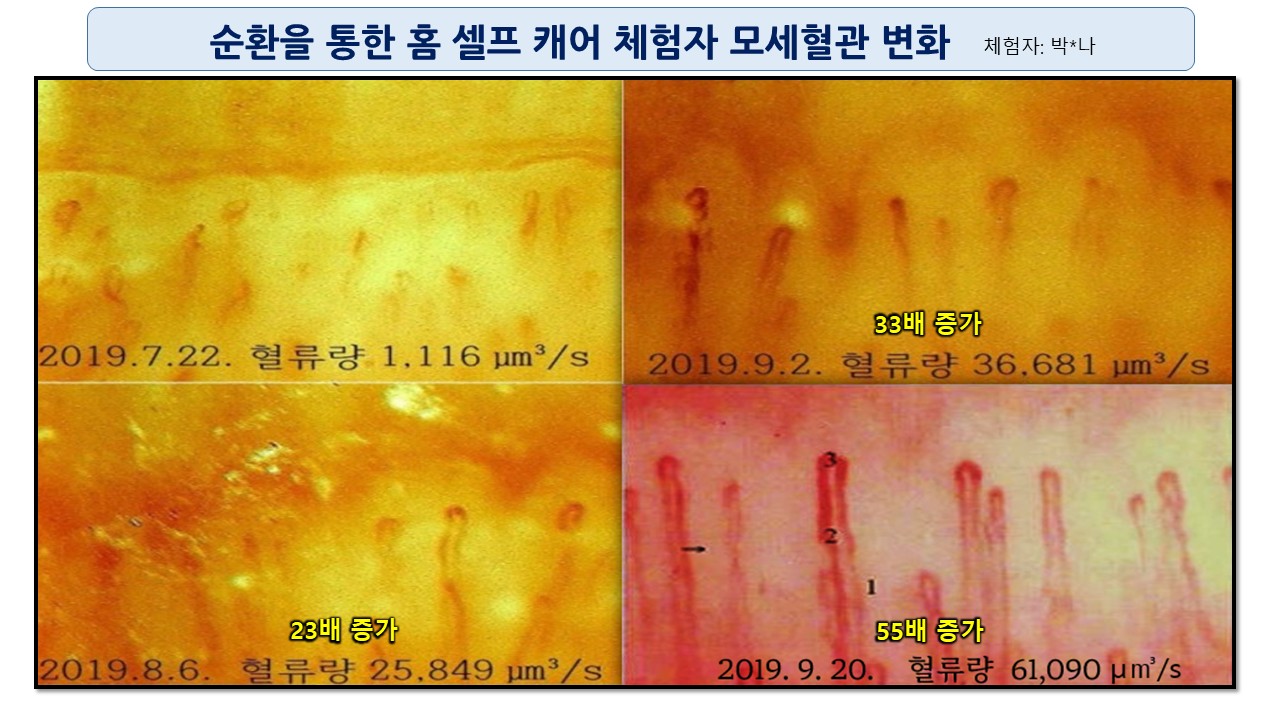
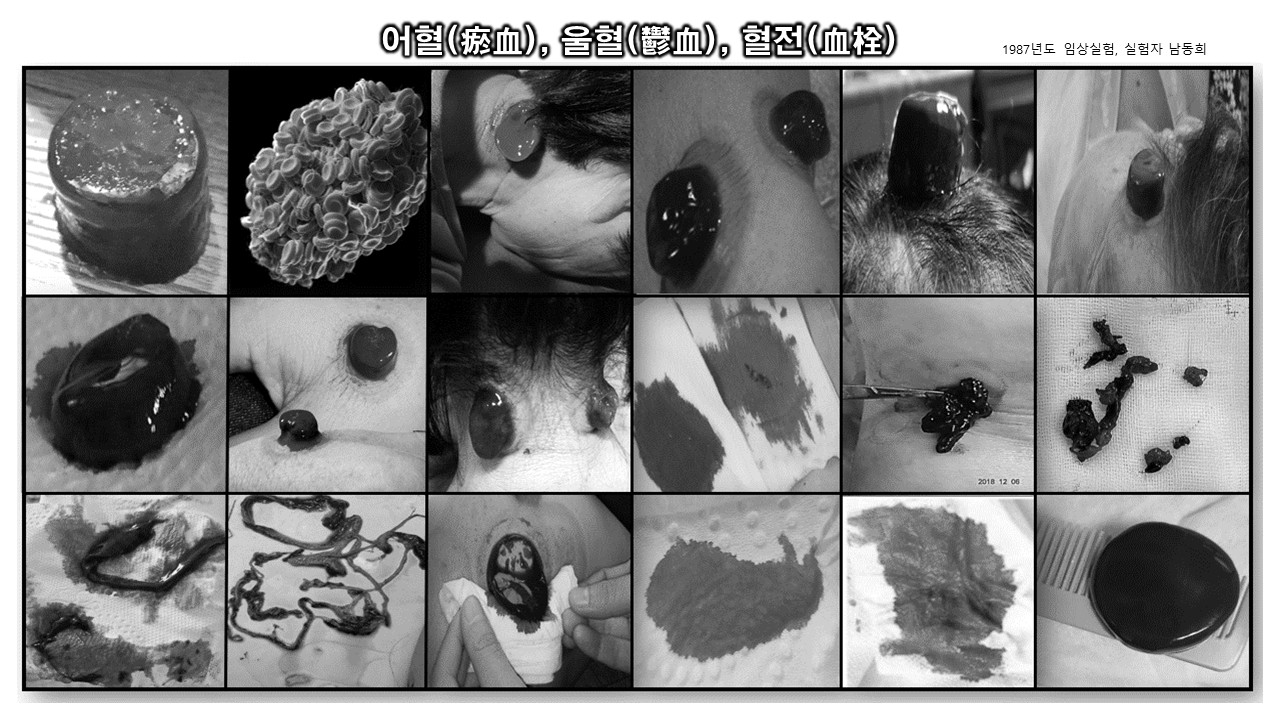
Taemen Natural Medicine understands the reality of disease as a disorder of blood circulation.
Disease does not simply refer to a disease name or a symptom itself. A disease name is merely a label used to classify the outcome or manifestation of a disease. Behind it lies a condition in which the flow of life is not functioning properly.
Blood is the channel through which life is sustained. It supplies oxygen and nutrients, removes waste products, and supports the life of every cell, tissue, and organ. Therefore, when blood flows smoothly, cells, tissues, and organs can function normally. However, when blood flow is reduced or obstructed, the supply of oxygen and nutrients decreases, waste products accumulate, and various disease conditions begin to appear.
Taemen Natural Medicine does not view diseases as separate and independent entities. Rather, it understands them as different manifestations resulting from an obstruction in the flow of life. Heart disease is viewed as a disturbance in the flow of life within the heart, lung disease as a disturbance in the flow of life within the lungs, and joint disease as a disturbance in the flow of life within the joints. Although diseases have different names and symptoms, they share a common underlying principle—a decline in the flow of life.
Therefore, in order to understand disease correctly, one must look beyond symptoms and disease names and first understand the flow of life that lies at their root. Likewise, the key to restoring health is not merely suppressing symptoms, but helping the obstructed flow of life return to its original state.
“For the life of the flesh is in the blood.”
(Leviticus 17:11)
This verse serves as the most fundamental principle and starting point for understanding the reality of disease in Taemen Natural Medicine. It is the foundation upon which health and healing are viewed and understood. According to this perspective, disease is a manifestation of an obstructed flow of life, while healing is the process through which the flow of life is restored.
1) Capillaries Are the Foundation of Life
To understand blood circulation in the human body, it is essential to understand the importance of capillaries.
Blood pumped from the heart passes through large arteries and intermediate blood vessels before ultimately reaching the capillaries. Every cell in the body is located within approximately 0.03 mm of a capillary, and all vital activities—including the delivery of oxygen and nutrients to cells and the removal of waste products—take place at the capillary level.
Capillaries are extremely small blood vessels, measuring approximately 0.001 mm to 0.01 mm in diameter, which is about one-tenth the thickness of a human hair. The total length of the body's capillaries is estimated to be approximately 99,000 kilometers (61,500 miles), equivalent to about two and a half times the circumference of the Earth. In addition, the vast majority of the body's blood vessels consist of capillaries.
Capillaries are distributed throughout the entire body, including within the bones. They are the sites where all substances necessary for life are delivered and where waste products and toxic substances associated with disease and death are exchanged and removed. In this sense, capillaries may be regarded as the largest organ of the human body.
The blood supplied to the heart muscle itself is also delivered primarily through capillaries. Therefore, the main player in blood circulation is not only the heart but also the capillary system. In this sense, capillaries may be regarded as one of the principal agents of life itself.
The most important pathway for health is the capillary network. When capillaries remain open and functional, cells can live; when cells live, tissues can survive; when tissues survive, organs can function properly; and when organs function properly, a person can live in health.
2) Thrombi Are Obstacles That Block the Flow of Life
In Taemen Natural Medicine, the term thrombus does not refer solely to a medically defined blood clot.
A thrombus is understood as an aggregate or obstruction that interferes with blood flow, including any condition of blood that has lost its normal physiological function and can no longer effectively support the flow of life.
All blood vessels in the human body are channels of life. Blood is the fluid of life, blood vessels are the pathways of life, and circulation is the movement of life. Therefore, when blood vessels become obstructed, the flow of life is hindered, which may become a significant cause of disease and death.
Because capillaries are extremely small blood vessels, they can be easily affected by even minor obstructions. As thrombi increase, the internal space of blood vessels narrows, blood flow decreases, and the delivery of oxygen and nutrients is reduced. At the same time, the removal of waste products declines, resulting in impaired cellular function and weakened tissue and organ function.
Ultimately, thrombi are obstacles that interfere with the flow of life and serve as an important key to understanding the reality of disease.
3) Taemen Natural Medicine's Understanding of Thrombi
The founder of Taemen Natural Medicine has taught the importance of thrombi since 1985. Beginning in 1987, through educational programs and publications such as A Small Tool of Love, Circulation Healing Method, and Hand and Foot Projection Therapy, the importance of thrombi and blood circulation was introduced and emphasized.
At that time, many people did not recognize the significance of thrombi and microcirculation. Today, however, thrombi are widely recognized as one of the important contributing factors in various cardiovascular and cerebrovascular diseases. In addition, October 13 is observed annually as World Thrombosis Day, promoting awareness of the dangers of thrombosis and the importance of prevention.
Taemen Natural Medicine understands the reality of disease as thrombi and circulatory disorders that interfere with the flow of life. Therefore, the key to restoring health lies in reducing thrombi and circulatory impairment, reopening blocked pathways of life, and helping blood flow smoothly all the way to the capillaries.
Disease is a manifestation of an obstructed flow of life, while healing is the process by which the flow of life is restored. At the center of this process are blood, the channel of life, and capillaries, the foundation of life.


