태멘자연의학의 10요소
The Name of Taemen Natural Medicine
다건강은 우리모두의 건강입니다.

"열은 생명 에너지이며 순환과 회복의 시작이다."
1. 정의 : 열은 생명 활동에 필요한 에너지이며 순환과 회복을 돕는 자연의 요소이다.
2. 생명과 질병의 관계 : 적절한 열은 혈액순환과 신진대사를 촉진하여 건강을 유지하게 하고, 열이 부족하면 순환이
저하되고 각종 질병이 나타날 수 있다.
3. 작용 원리 : 열은 혈관을 이완시키고 혈류를 촉진하여 산소와 영양 공급, 노폐물 배출을 돕는다.
4. 적용 방법 : 햇빛 쬐기, 온열 요법, 따뜻한 물 섭취, 적절한 운동, 체온 유지.
"Heat is the energy of life and the foundation of circulation and recovery."
1. Definition : Heat is the energy required for life activities and a natural element that supports circulation and recovery.
2. Relationship Between Life and Disease : Proper heat promotes blood circulation and metabolism, helping to
maintain health. When heat is insufficient, circulation may decline and various diseases can develop.
3. Principle of Action : Heat relaxes blood vessels and promotes blood flow, helping to supply oxygen and nutrients
while facilitating the removal of waste products.
4. Methods of Application : Sun exposure, heat therapy, drinking warm water, appropriate exercise, and maintaining
body temperature.

"빛은 생명 에너지이며 생체 리듬과 건강의 근원이다.“
1. 정의 : 빛은 생명 활동에 필요한 자연의 요소이며, 에너지를 공급하고 생체 리듬을 유지하도록 돕는 자연의 자원이다.
2. 생명과 질병의 관계 : 적절한 빛은 생체 리듬을 조절하고 활력을 유지하며 건강을 돕는다. 반대로 빛이 부족하면 생체
기능의 균형이 저하되고 신체적·정신적, 정서적 건강에 부정적인 영향을 줄 수 있다.
3. 작용 원리 : 빛은 눈과 피부를 통해 인체에 작용하여 생체 시계를 조절하고 각종 생리 기능의 균형을 유지하도록
돕는다. 또한 생명 활동에 필요한 에너지 생성과 신체 기능 조절에 중요한 역할을 한다.
4. 적용 방법 : 적절한 햇빛, 규칙적인 생활 리듬을 유지, 낮에는 자연광을 충분히 활용, 실내 환경에 적절한 채광을 확보
근원적외선 태멘 온열기, 밤에는 과도한 인공 조명 소등.
"Light is the energy of life and the foundation of biological rhythm and health."
1. Definition : Light is a natural element essential for life activities, providing energy and helping maintain biological rhythms.
2. Relationship Between Life and Disease : Proper exposure to light helps regulate biological rhythms, maintain vitality, and support health. In contrast, insufficient light may disrupt the balance of biological functions and negatively affect physical, mental, and emotional health.
3. Principle of Action : Light acts on the human body through the eyes and skin, helping regulate the biological clock and maintain the balance of various physiological functions. It also plays an important role in energy production and the regulation of bodily functions necessary for life.
4. Methods of Application : Appropriate sun exposure, maintaining a regular daily rhythm, making full use of natural daylight during the day, ensuring adequate indoor lighting, using far-infrared heating devices, and turning off excessive artificial lighting at night.
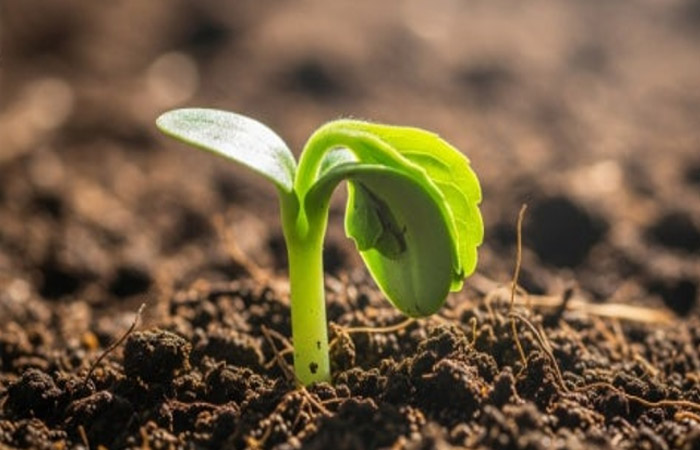
“식물은 생명의 먹거리이며 건강과 회복의 근원이다”
1. 정의 : 식물은 생명 활동에 필요한 영양과 에너지를 공급하는 자연의 요소이며, 인간과 모든 생명체의 건강을 유지하는 중요한 자원이다.
2. 생명과 질병의 관계 : 적절한 식물성 식품의 섭취는 생명 유지에 필요한 영양을 공급하고 신체 기능의 균형을 유지하여 건강을 돕는다. 반대로 식물성 영양소가 부족하거나 불균형한 식생활이 지속되면 생체 기능이 저하되고 각종 질병의 원인이 될 수 있다.
3. 작용 원리 : 식물은 비타민, 미네랄, 식이섬유 및 다양한 영양 성분을 공급하여 인체의 성장과 유지, 회복을 돕는다. 또한 신진대사를 지원하고 체내 환경의 균형을 유지하는 데 중요한 역할을 한다.
4. 적용 방법 : 신선한 채소와 과일을 충분히 섭취, 다양한 식물성 식품을 균형 있게 섭취, 자연 상태에 가까운 식품을 선택, 계절에 맞는 식물을 활용, 야생 식물과 식물성 식품을 생활 속에 적극 활용.
"Plants are the food of life and the source of health and recovery."
1. Definition : Plants are natural elements that provide the nutrients and energy necessary for life activities and are important resources for maintaining the health of human beings and all living things.
2. Relationship Between Life and Disease : Proper consumption of plant-based foods supplies the nutrients necessary for sustaining life, helps maintain the balance of bodily functions, and supports health. In contrast, a deficiency of plant-derived nutrients or a prolonged unbalanced diet may impair biological functions and contribute to various diseases.
3. Principle of Action : Plants provide vitamins, minerals, dietary fiber, and various nutrients that support the growth, maintenance, and recovery of the human body. They also play an important role in supporting metabolism and maintaining the balance of the body's internal environment.
4. Methods of Application : Consume plenty of fresh vegetables and fruits, eat a balanced variety of plant-based foods, choose foods that are close to their natural state, utilize seasonal plants, and actively incorporate wild plants and plant-based foods into daily life.
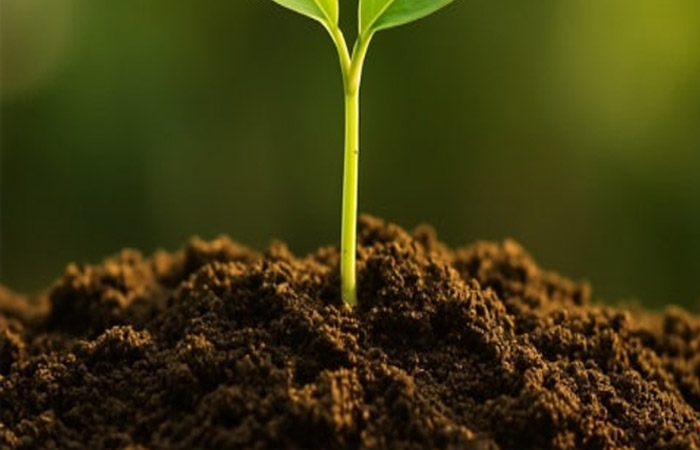
“흙은 인체에 필요한 자연의 기본 물질이다”
1. 정의 : 흙은 인체에 필요한 다양한 광물질과 영양 성분의 근원이 되는 자연의 요소이며, 모든 생명체가 살아가는 생명의 터전이다.
2. 생명과 질병의 관계 : 건강한 흙은 건강한 식물을 만들고, 건강한 식물은 건강한 생명을 유지하는 데 도움을 준다. 반대로 흙의 영양 상태가 불균형 하거나 오염되면 식물의 품질이 저하되고, 이는 인체의 영양 불균형과 건강 문제로 이어질 수 있다.
3. 작용 원리 : 흙은 식물에 필요한 광물질과 영양분을 공급하는 저장소 역할을 한다. 식물은 흙으로부터 영양분을 흡수하여 성장하고, 인간과 동물은 식물을 통해 이러한 영양 성분을 공급받는다. 따라서 흙은 생명의 순환 과정에서 중요한 역할을 담당한다.
4. 적용 방법 : 흙에서 자란 신선한 채소와 과일을 섭취, 다양한 식물성 식품을 통해 천연 광물질을 공급받는다. 자연 친화적으로 재배된 식품을 선택, 텃밭 가꾸기, 흙과 접촉하는 맨발 걷기 등을 통해 자연 환경을 가까이한다.
"Soil is the basic natural substance necessary for the human body"
1. Definition : Soil is a natural element that serves as the source of various minerals and nutrients needed by the human body and is the foundation of life for all living things.
2. Relationship Between Life and Disease : Healthy soil produces healthy plants, and healthy plants help sustain healthy life. In contrast, when the nutritional condition of the soil is imbalanced or contaminated, the quality of plants may decline, which can lead to nutritional imbalances and health problems in humans.
3. Principle of Action : Soil serves as a reservoir of minerals and nutrients essential for plant growth. Plants absorb nutrients from the soil and grow, while humans and animals obtain these nutrients through plants. Therefore, soil plays an important role in the cycle of life.
4. Methods of Application : Consume fresh fruits and vegetables grown in healthy soil, obtain natural minerals through a variety of plant-based foods, choose foods cultivated in an environmentally friendly manner, and stay close to nature through gardening and activities such as barefoot walking that allow direct contact with the earth.

“생명 유지와 순환을 돕는 기본 요소”
1. 정의 : 물은 생명 유지에 필수적인 자연의 요소이며, 인체의 구성과 생명 활동에 필요한 순환과 대사를 돕는 중요한 자원이다.
2. 생명과 질병의 관계 : 적절한 수분은 혈액순환과 영양 공급, 노폐물 배출을 원활하게 하여 건강을 유지하도록 돕는다. 반대로 수분이 부족하면 순환과 대사 기능이 저하되고 신체 균형이 무너져 다양한 건강 문제가 발생할 수 있다.
3. 작용 원리 : 물은 혈액과 체액의 주요 구성 성분으로서 영양분과 산소를 운반하고 노폐물을 배출하는 역할을 한다. 또한 체온을 조절하고 세포 활동을 지원하여 인체의 정상적인 기능 유지에 중요한 역할을 한다.
4. 적용 방법 : 깨끗한 물을 충분히 마심, 규칙적으로 수분을 보충, 갈증이 심해지기 전에 물을 마시는 습관, 수분이 풍부한 채소와 과일을 섭취, 개인의 활동량과 환경에 맞게 수분 섭취를 조절한다.
“A fundamental element that sustains life and circulation”
1. Definition : Water is an essential natural element for sustaining life and an important resource that supports circulation and metabolism necessary for the structure and activities of the human body.
2. Relationship Between Life and Disease : Adequate hydration helps maintain health by supporting blood circulation, nutrient delivery, and the removal of waste products. In contrast, insufficient water intake may impair circulation and metabolic functions, disrupt bodily balance, and contribute to various health problems.
3. Principle of Action : Water is a major component of blood and body fluids, transporting nutrients and oxygen while helping remove waste products. It also regulates body temperature and supports cellular activities, playing a vital role in maintaining normal bodily functions.
4. Methods of Application : Drink sufficient clean water, replenish fluids regularly, develop the habit of drinking water before becoming excessively thirsty, consume water-rich fruits and vegetables, and adjust water intake according to individual activity levels and environmental conditions.

“공기는 생명의 호흡이며 에너지 공급의 근원이다”
1. 정의 : 공기는 생명 유지에 필수적인 자연의 요소이며, 인체에 산소를 공급하여 생명 활동을 가능하게 하는 중요한 자원이다.
2. 생명과 질병의 관계 : 적절한 공기는 인체에 충분한 산소를 공급하여 세포 활동과 에너지 생성을 돕고 건강을 유지하게 한다. 반대로 산소가 부족하거나 오염된 공기에 지속적으로 노출되면 생체 기능이 저하되고 다양한 건강 문제가 발생할 수 있다.
3. 작용 원리 : 공기는 호흡을 통해 인체에 산소를 공급하고 이산화탄소를 배출하도록 돕는다. 공급된 산소는 혈액을 통해 전신의 세포로 전달되어 에너지를 생성하고 생명 활동을 유지하는 데 사용된다.
4. 적용 방법 : 신선한 공기를 자주 호흡, 규칙적으로 심호흡, 숲길, 산책로 등 자연 환경 속으로, 실내 환기를 자주 하여 공기 질을 개선, 오염된 환경을 피하고 깨끗한 공기를 유지
"Air is the breath of life and the source of energy supply."
1. Definition : Air is an essential natural element for sustaining life and an important resource that makes life activities possible by supplying oxygen to the human body.
2. Relationship Between Life and Disease : Adequate air supplies sufficient oxygen to the body, supporting cellular activity and energy production while helping maintain health. In contrast, a lack of oxygen or prolonged exposure to polluted air may impair biological functions and contribute to various health problems.
3. Principle of Action : Air supplies oxygen to the body and helps remove carbon dioxide through breathing. The oxygen delivered is transported by the blood to cells throughout the body, where it is used to produce energy and sustain life activities.
4. Methods of Application : Breathe fresh air regularly, practice deep breathing, spend time in natural environments such as forests and walking trails, ventilate indoor spaces frequently, and avoid polluted environments while maintaining clean air.

“인체 활동을 통해 피의 순환을 돕는다”
1. 정의 : 운동은 신체를 움직여 생명 활동을 촉진하는 삶의 요소이며, 건강 유지와 회복을 돕는 중요한 활동이다.
2. 생명과 질병의 관계 : 적절한 운동은 혈액순환과 신진대사를 촉진하여 건강을 유지하고 활력을 높이는 데 도움을 준다. 반대로 운동이 부족하면 순환과 신체 기능이 저하되어 각종 질병의 원인이 될 수 있다.
3. 작용 원리 : 운동은 근육과 관절을 움직여 혈액과 체액의 순환을 촉진하고 산소와 영양분의 공급을 돕는다. 또한 에너지 소비와 대사 활동을 활성화하여 신체 기능의 균형과 회복을 지원한다.
4. 적용 방법 : 규칙적으로 걷기와 산책, 자신의 체력에 맞는 운동을 꾸준히 실천, 스트레칭과 체조를 생활화, 자연 속에서 신체 활동, 오래 앉아 있는 시간을 줄이고 몸을 자주 움직인다.
“Physical activity that supports blood circulation”
1. Definition : Exercise is an element of life that promotes life activities through physical movement and is an important practice for maintaining and restoring health.
2. Relationship Between Life and Disease : Proper exercise promotes blood circulation and metabolism, helping to maintain health and increase vitality. In contrast, a lack of exercise may impair circulation and bodily functions, contributing to various diseases.
3. Principle of Action : Exercise stimulates the movement of muscles and joints, promotes the circulation of blood and body fluids, and supports the delivery of oxygen and nutrients. It also activates energy expenditure and metabolic processes, helping maintain balance and recovery of bodily functions.
4. Methods of Application : Engage in regular walking and outdoor activities, practice exercise consistently according to your physical condition, incorporate stretching and calisthenics into daily life, increase physical activity in natural environments, and reduce prolonged sitting by moving the body frequently.

“인간의 영적 생명과 삶의 중심이 되는 요소”
1. 정의 : 신앙은 생명의 근원이신 하나님을 믿고 신뢰하는 것이며, 삶의 목적과 방향을 바르게 세우도록 돕는 삶의 요소이다.
2. 생명과 질병의 관계 : 올바른 신앙은 마음에 평안과 소망을 주고 삶의 균형을 유지하도록 돕는다. 반대로 불안과 두려움, 절망과 같은 부정적인 상태가 지속되면 정신적·정서적 건강에 영향을 미칠 수 있다.
3. 작용 원리 : 신앙은 하나님과의 관계를 통하여 마음에 평안과 희망을 갖게 하며, 감사와 사랑, 절제와 같은 긍정적인 삶의 태도를 형성하도록 돕는다. 또한 삶의 의미와 목적을 분명하게 하여 건강한 삶을 살아가도록 이끈다.
4. 적용 방법 : 하나님을 믿고 신뢰, 말씀을 읽고 묵상, 규칙적으로 기도, 감사와 사랑을 실천, 교제와 봉사를 통해 믿음을 실천한다.
“The spiritual foundation of human life”
1. Definition : Faith is believing and trusting in God, the source of life, and is an element of life that helps establish the right purpose and direction for living.
2. Relationship Between Life and Disease : Proper faith brings peace and hope to the heart and helps maintain balance in life. In contrast, prolonged anxiety, fear, and despair may negatively affect mental and emotional well-being.
3. Principle of Action : Faith fosters peace and hope through a relationship with God and helps cultivate positive attitudes such as gratitude, love, and self-control. It also clarifies the meaning and purpose of life, guiding people toward healthy living.
4. Methods of Application : Believe and trust in God, read and meditate on His Word, pray regularly, practice gratitude and love, and live out faith through fellowship and service.

“인체의 회복과 균형을 돕는 요소”
1. 정의 : 휴식은 생명 활동 중에 소모된 에너지를 회복하고 신체와 정신의 균형을 유지하도록 돕는 삶의 요소이다.
2. 생명과 질병의 관계 : 적절한 휴식은 신체와 정신의 피로를 회복시키고 생체 기능의 균형을 유지하여 건강을 돕는다. 반대로 휴식이 부족하면 회복 능력이 저하되고 신체적·정신적 기능이 약화되어 다양한 건강 문제가 발생할 수 있다.
3. 작용 원리 : 휴식은 신체의 에너지 소모를 줄이고 손상된 조직과 기능이 회복될 수 있도록 돕는다. 또한 신경계의 긴장을 완화하고 생체 기능의 균형을 유지하여 건강한 생명 활동을 지원한다.
4. 적용 방법 : 충분한 수면과 숙면, 규칙적인 생활 습관을 유지, 과도한 업무와 스트레스를 줄인다.
자연 속에서 몸과 마음을 쉼, 기도와 묵상을 통해 정신적 안정을 갖는다.
“An element that restores balance and recovery”
1. Definition : Rest is an element of life that helps restore energy consumed during life activities and maintain the balance of the body and mind
2. Relationship Between Life and Disease : Proper rest helps recover from physical and mental fatigue and maintains the balance of biological functions, thereby supporting health. In contrast, insufficient rest may reduce the body's recovery capacity, weaken physical and mental functions, and contribute to various health problems.
3. Principle of Action : Rest reduces energy expenditure and allows damaged tissues and bodily functions to recover. It also relieves nervous system tension and helps maintain the balance of biological functions, supporting healthy life activities.
4. Methods of Application : Get adequate sleep, maintain regular daily habits, reduce excessive work and stress, spend time resting in nature, and achieve mental peace through prayer and meditation.

“교제는 생명을 나누는 관계이며 사랑과 회복의 통로이다”
1. 정의 : 교제는 인간 관계와 공동체 속에서 서로 소통하고 협력하며 살아가는 삶의 요소이다.
2. 생명과 질병의 관계 : 건강한 교제는 정서적 안정과 삶의 만족감을 높이고 건강한 삶을 유지하도록 돕는다. 반대로 고립과 단절, 갈등이 지속되면 정신적·정서적 건강에 부정적인 영향을 주고 삶의 균형을 무너뜨릴 수 있다.
3. 작용 원리 : 교제는 사람과 사람 사이에 사랑과 신뢰, 격려와 지지를 나누게 하여 정서적 안정을 돕는다. 또한 공동체 안에서 서로 협력하고 도움을 주고받음으로써 건강한 삶을 유지하도록 돕는다.
4. 적용 방법 : 가족과 이웃, 친구들과 좋은 관계를 유지, 공동체 활동에 적극적으로 참여, 서로 존중하고 배려하는 마음을 실천, 어려운 이웃을 돕고 봉사에 참여, 감사와 격려의 말을 자주 나눈다.
"Fellowship is a relationship of sharing life and a channel of love and recovery."
1. Definition : Fellowship is an element of life that involves communicating, cooperating, and living together within human relationships and communities.
2. Relationship Between Life and Disease : Healthy fellowship promotes emotional stability and life satisfaction, helping people maintain a healthy life. In contrast, prolonged isolation, disconnection, and conflict may negatively affect mental and emotional well-being and disrupt the balance of life.
3. Principle of Action : Fellowship enables people to share love, trust, encouragement, and support, helping to promote emotional stability. It also helps maintain a healthy life through mutual cooperation and assistance within the community.
4. Methods of Application : Maintain good relationships with family, neighbors, and friends; actively participate in community activities; practice respect and consideration for others; help those in need through service; and frequently share words of gratitude and encouragement.


